
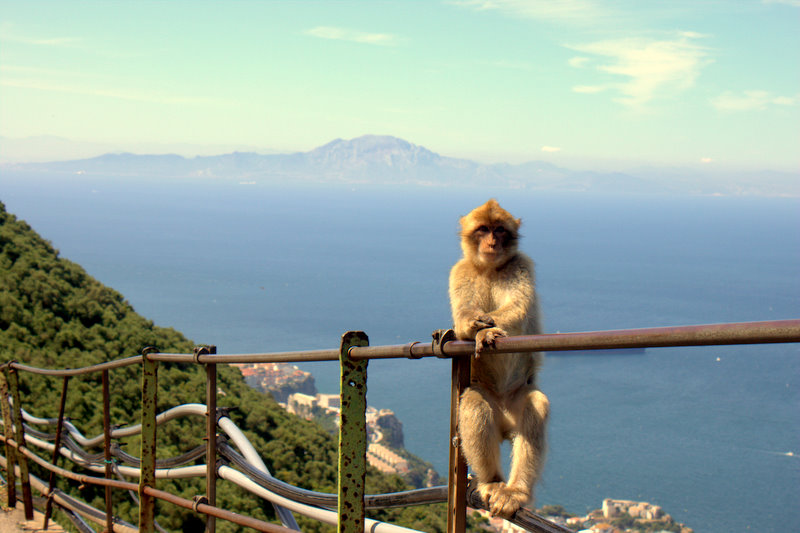
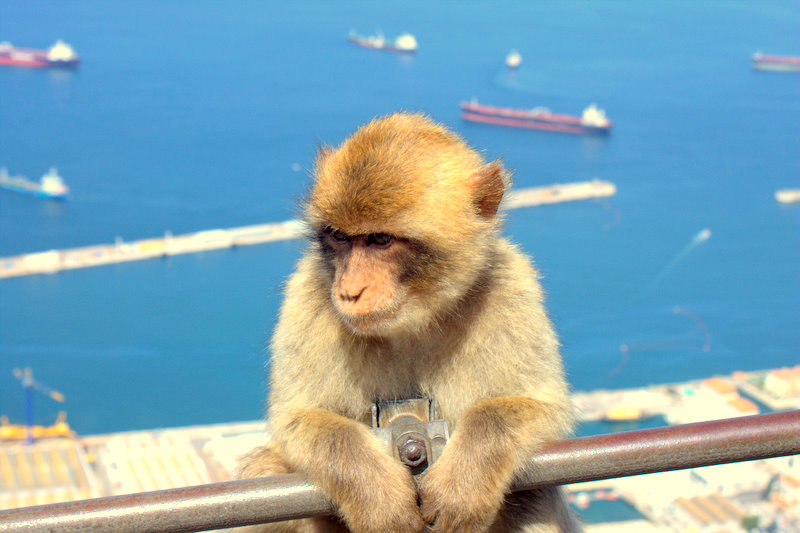





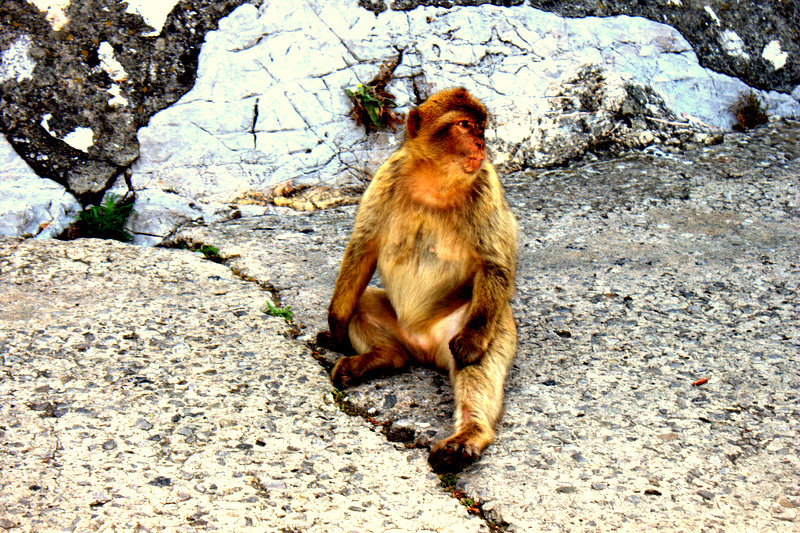
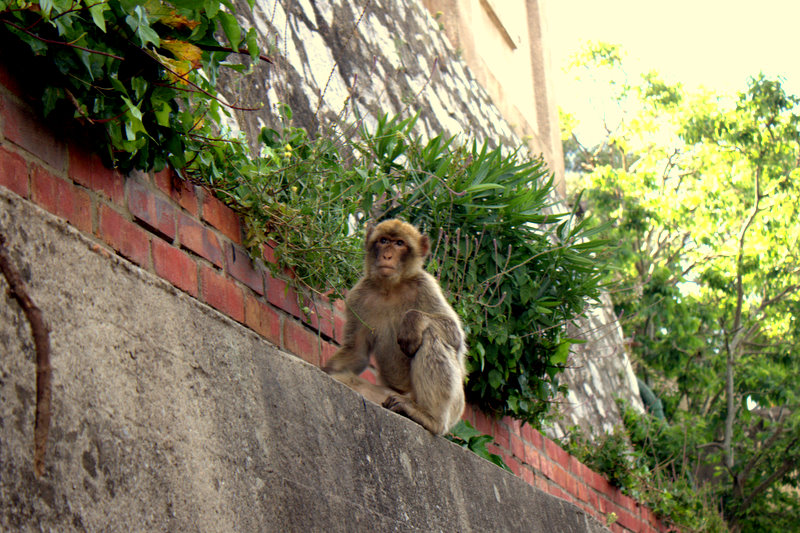
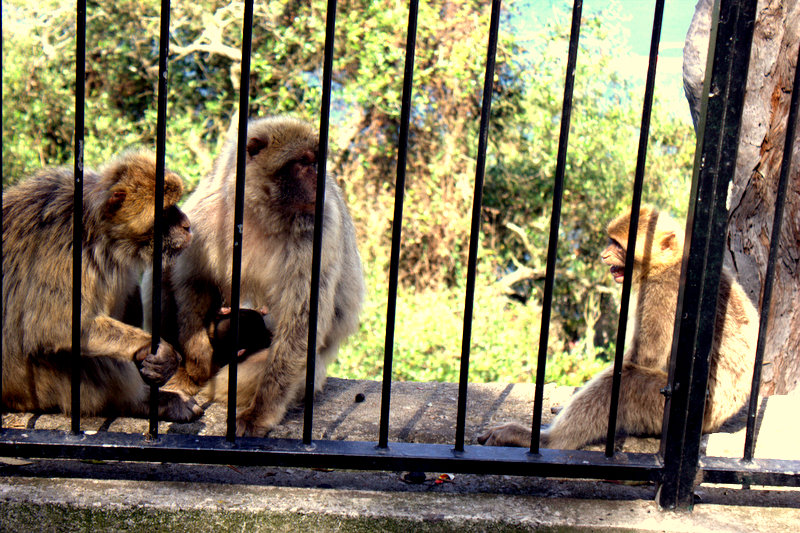
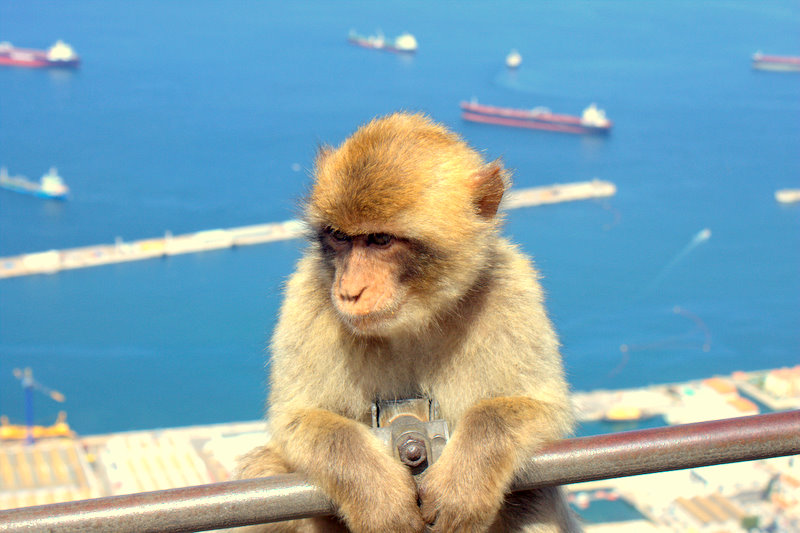
Cam: Canon EOS 500 D
Location: The rock of Gibraltar, Gibraltar
Motif: The only remaining free monkeys in Europe , the barbary macaques
Travel Tips & Tricks (how to travel more – for less)
Destination Imagery and videos for inspiration
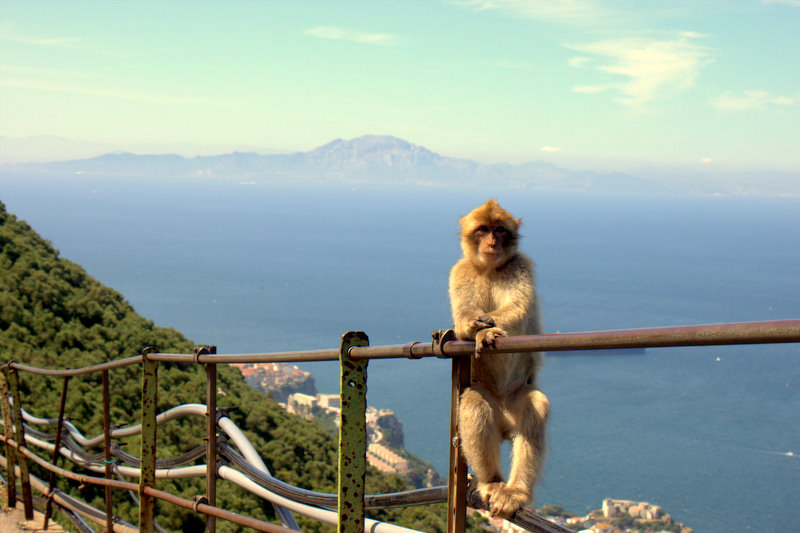
Cam: Canon EOS 500 D
Location: The rock of Gibraltar, Gibraltar
Motif: The only remaining free monkeys in Europe , the barbary macaques
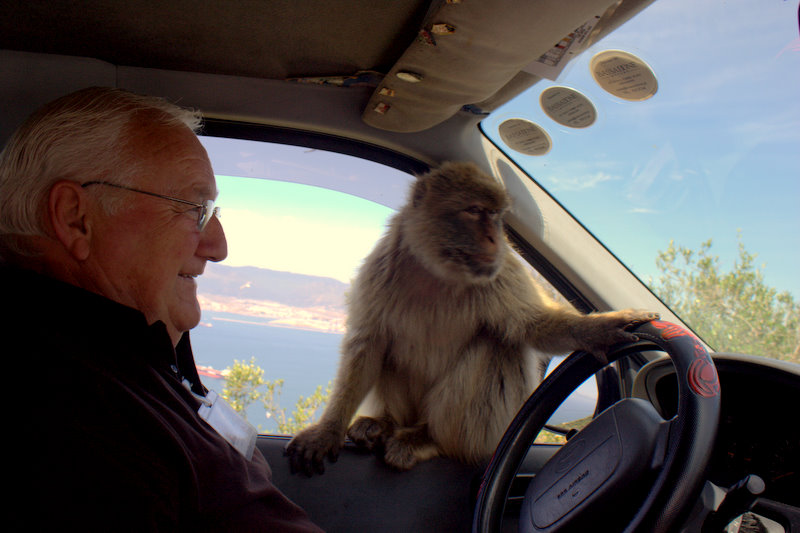
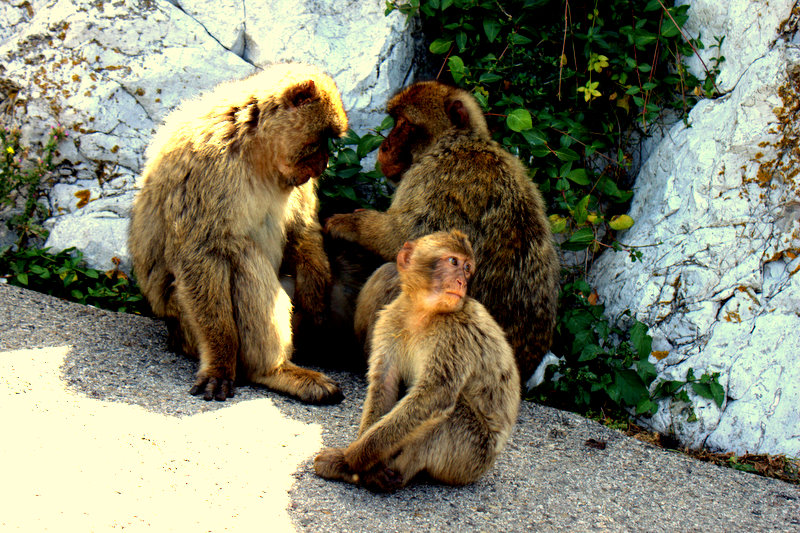
Gibraltar is home to Europe’s only free-living monkey, the Barbary macaque. 300 or so of these animals live freely on the slopes of the rock of Gibraltar and are thought to have been brought to the area from Africa by the Moors during their occupation of the Iberian peninsula.
Some of the young macaques are rather witty and playful and will jump on one’s shoulders to pose cheekily for the snap of a camera shutter. I was deeply endeared by the affection these creatures displayed towards us during our stroll along the upper rock overlooking Ceuta and the Atlas mountains.
Seagulls are also aplenty in Gibraltar, and their cries and fluttering wings decorate the soundscapes and patchwork of the warm nights. Like their primate contemporaries, they too are amicable and frequently display overt affection towards human beings, as the last picture in this set demonstrates.




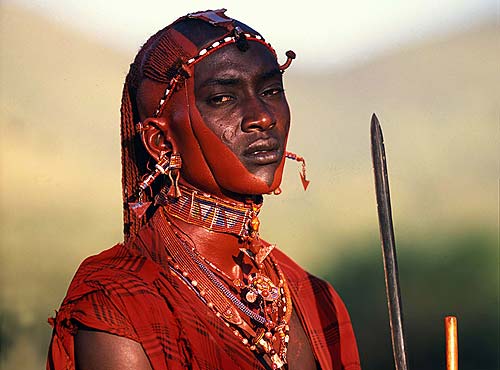
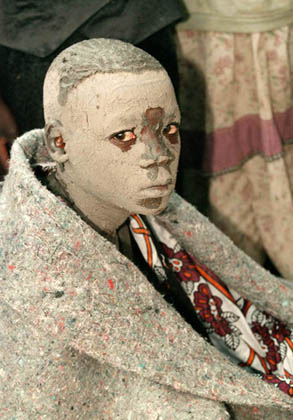
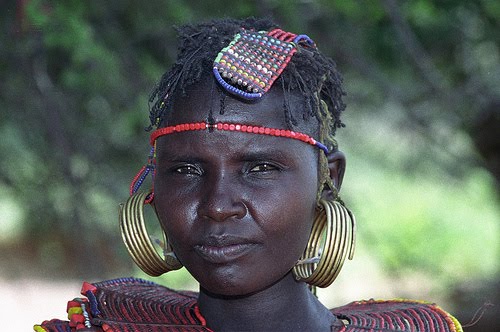
This diversity extends to Kenya’s cultural profile, a sophisticated kaleidoscope of numerous tribes and clans each with their own traditions, cultural tendencies and beliefs. There are over 70 tribal groups in the country although distinctions between many of these groups are becoming less and less important due to rural-urban migration and the erosion of traditional culture by western values. For a country with so many distinct cultural affiliations, Kenya has, up until very recently had few major cultural conflicts, standing out as shining example to the rest of the world in matters of race and cuture relations. The construction of the Uganda railway at the start of the 19th century gave rise to a large scale migration of Indian workers who were contracted to help build the railway line by the British Empire, the descendants of whom comprise a significant deal of the Indian population in the nation at present. Other people’s from commonwealth nations such as Nubian soldiers used by the British Empire in global conflicts and their families were also settled in Kenya whilst the nation was under colonial rule, adding further variation to an already diverse country.






I’m starting to get used to the eccentricities of everyday life in these parts, peculiarities that once were rather normal phenomena in the course of the daily workings of my life.
Nairobi remains as vibrant, active, and electric as she’s always been, a bustling hub of activities under the equatorial sun. It’s heartening to note the progress that has been made here in terms of infrastructure and architecture as I stated yesterday. Similarly, it’s rather disquieting to note the exacerbation of several fundamental factors that are central to the long term development of Kenya.
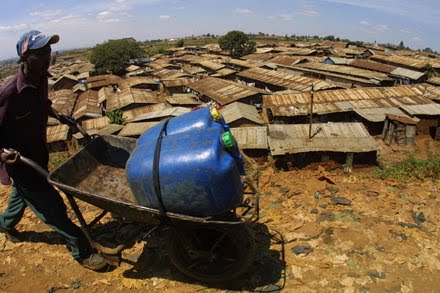
My focus in this article is on one of the most controversial housing projects in the history of the African continent, the slum settlement of Kibera, home to over 250’000 people who live in or close to abject poverty. I drove past Kibera yesterday around rush hour, confronted on both sides by the rush of pedestrians on their way home to the slum back from work. The road was teeming with one swank SUV after another, a colourful parade of the toys of the wealthy in the faces of the poorest of the poor. On either side of the car expressions of desperation and suffering were the order of the day, etched irrefutably candidly on the fatigued faces of the masses of oncoming pedestrians as they trekked home to their misery after slaving away for the interests of the rich. One has to be extraordinarily inhuman or blind not to have sensed the tremendously potent undertone of untold suffering in the air, and this was merely on the outskirts of Kibera.
The History of Kibera
Kibera is Africa’s second largest slum settlement after South Africa’s Soweto and was originally created by the colonialist British government as a settlement for Nubian soldiers returning from the first world war. The status of these ex war soldiers as former servants of the British crown coupled with the fact that they laid no claim to “native reserves” by virtue of the fact that they were “detribalized natives” meant that the British government of the time negated to interfere in the development of the settlement. This punctuated the commencement of the sprawl of Kibera, as local tribes migrated to the area to rent affordable housing from the resident Nubian population. Kenya’s attainment of independence in 1963 saw Kibera declared an illegal settlement by the new government. Notwithstanding, migration to the settlement continued relatively unabated such that by 1974 the Nubian population’s status as the dominant ethnic group in Kibera was ousted by the influx of members of the Kikuyu tribe who took over administrative control via political patronage.
The ethnic makeup of the slum has altered over time such that most ethnic groups in Kenya are numerically represented to one extent or another the way things stand at present, though the Luo and Luya tribes constitute the dominant population. The implications of this dominion in the context of the fact that the prime minister of Kenya, (Raila Odinga) is himself both a Luo and a member of parliament for the area that Kibera is situated in have had worrying undertones for ethnic conflict in the nation inasmuch by providing him with access to a sizeable demonstration force from within the Kibera community. The aforesaid force has been used frequently as a tool to upset harmony in the nation via violent expressions of the political agendas of the prime minister. It has to be said that the political agendas of the president (Mwai Kibaki) have also been represented in similar fashion albeit from within support groups within other slum areas such as Kibera’s neighbouring slum quarter, Mathare Valley where the dominant population is of the Kikuyu tribe, just like the president himself. In both cases, the political and ideological conflicts of both leaders have been wrongfullly translated into a conflict based on ethnic grounds, as controversial and as ironic as such a misconception may be, reflecting a tragic, prevalent cancer that has hacked away at Africa’s spinal chord for centuries.
The Dynamics of Kibera
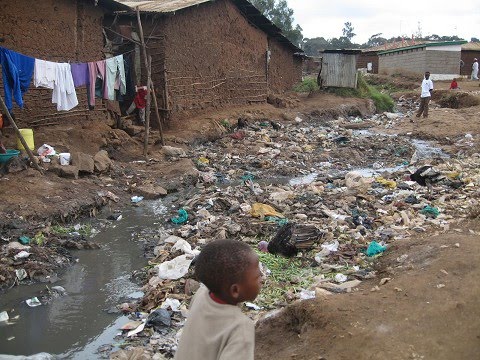
Kibera lies approximately 5 km’s from Nairobi’s city centre in the southwest of the city. The southern fringe of the settlement borders the Nairobi Dam, and the Nairobi river. The affordable housing prices in the slum area attract Kenya’s poor from far and wide many of whom migrate from rural areas plagued by chronic underdevelopment and lack of opportunities. Tragically however, the hell they leave is not replaced by the heaven they seek in any way. Living conditions in Kibera are some of the harshest in the world, characterised by a lack of sewage systems, the use of flying toilets (paper bags containing fecal material that are deposited or hurled onto rooftops, garbage heaps or simply as far away from ones home as possible) poor access to safe driking water and abject impoverishment. Crime typically thrives under such fertile conditions. Kibera is rife with incidents of both violent and petty crime, exacerbated by the lack of any form of police presence in the area implying that law and order, like any other government-provided services are completely and totally non existent and based on power inequalities that exploit the powerless and furnish the powerful.
The definition of anarchy could not possibly be epitomised in a more quintessential capacity than by the tragedy of Kibera, a tragedy that has not been tackled in any tangible manner by any government or ruling power in the history of Kenya. Ironically however, many of Kibera’s residents constitute the working class majority that slaves away selflessly for the interests of the upper echelons of Kenyan society, to whom their political rights and liberties are trusted needless to say to to imminent avail and with no sustainable effect. The dire plight of Africa’s second largest slum area has been wrongfully and sadistically exploited by Kenya’s politicians who have used its problems as a fertile breeding ground for their ideological ethos , exploiting ethnic differences to champion their political statuses and dividing an entire city and nation in the process. And hence, as another day comes to pass, Kibera’s problems get a little bit more grave, a little more pronounced and far more tragic. Invariably, Kibera’s tragedy is not its own alone, but that of an entire nation and indeed of an entire continent. The repression of the lowest of the low in the social system for the benefit of upper society who continue to wallow away in their materialistic grandiloquence is no stranger to Africa. The question is when will it ever end ? Will it ever end ?
 Kortbæk_Travels