More than for the festival, they’re ‘Volunteering 4 Life’

There’s more to Roskilde than the music. Original article written for The Copenhagen Post.

Skærmbillede 2017-07-05 kl. 22.36.57.pngVolunteering is a key part of Rokilde Festival (photo: Allan Kortbaek)

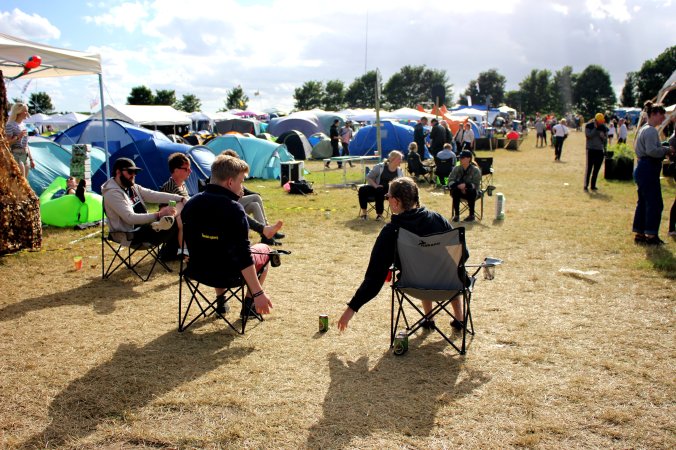
The patchy weather over the last few days has not swayed the tens of thousands of festival-goers who’ve made their way to this year’s Roskilde Festival for yet another year of merrymaking.  
The logistics of organising a festival that houses a crowd of around 130,000 for a week of camping, concerts and debauchery are, as you might imagine, quite eye-opening in themselves.
Fuelled by the efforts of 32,000 volunteers each year, most of whom have volunteered for an average of five festivals, Roskilde Festival is, at its core, a non-profit fuelled by charitable efforts.
The event also makes an effort to ameliorate global social issues through numerous dedicated initiatives. Befittingly, this year’s theme is hinged on focusing on cultural inequality, which it hopes to address through art, music, activities and donations.One of the many organisations present at this year’s festival is the Settle N Share project – an experiment involving communities co-operating to strengthen the unique camp feeling at the event.

Volunteering 4 Life – a youth-based initiative that works to create cultural programs for youth within the fields of sports, music and European youth exchange with a focus on creating a link between Roskilde Festival and the Erasmus + program – is but one of the many initiatives in this year’s Settle N Share.

Propelled by Ishøj Ungdomsskole, this is the second time that the Volunteering 4 Life project will be at Roskilde Festival, having successfully run in 2013.

Onus on community sharing
This year, Volunteering 4 Life is focusing on educating the youth in volunteering in close collaboration with Roskilde Festival and other partners.

According to Raymond Andrews, a benefactor of the youth exchange program, the non-profit, community-centred aims of Roskilde Festival are an ideal platform through which the volunteers of the initiative can gain a hands-on introduction to the philanthropic goals of the event.
v4l2017_490_o-1-768x576

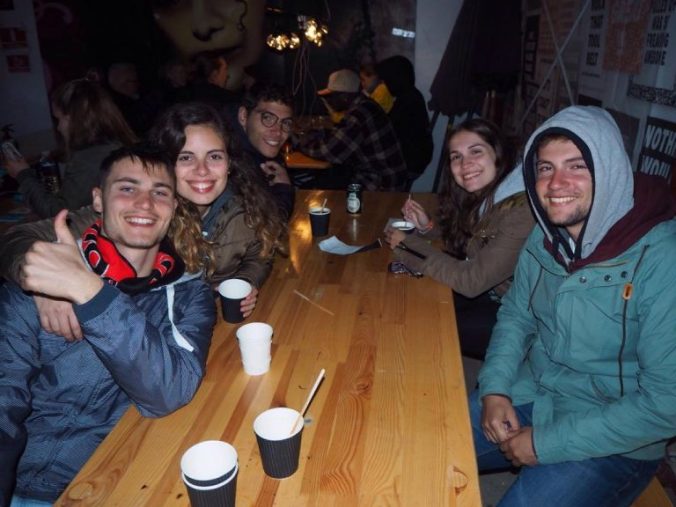
Community sharing is one of the core objectives of Volunteering 4 Life at Roskilde Festival

Essentially this entails its 52 volunteers at the festival being introduced to companies such as DXC – a tech multinational typified by high levels of employee retention and a hiring process that doesn’t involve hiring specialists but rather aims to hire based on matching skill-sets, informal or formal, which can be matched with its needs as a business.

The aim here is to inspire and equip the program’s volunteers with informal skills for their career development.

To orchestrate this, app-making and other tech-based knowledge sharing aimed at boosting the competences of the volunteers are central to the work of Volunteering 4 Life at Roskilde.

Similarly, it is hoped that festival initiatives such as Settle’N Share and REACT (a recycling system) will foster a strong dialogue between some of Roskilde’s aims and the Volunteering 4 Life program’s volunteers, who will work for a period between 24-32 hours during which they will support the needs of other festival-goers while engaging in informal learning experiences.

Beyond Roskilde Festival: providing skills for a competitive labour market
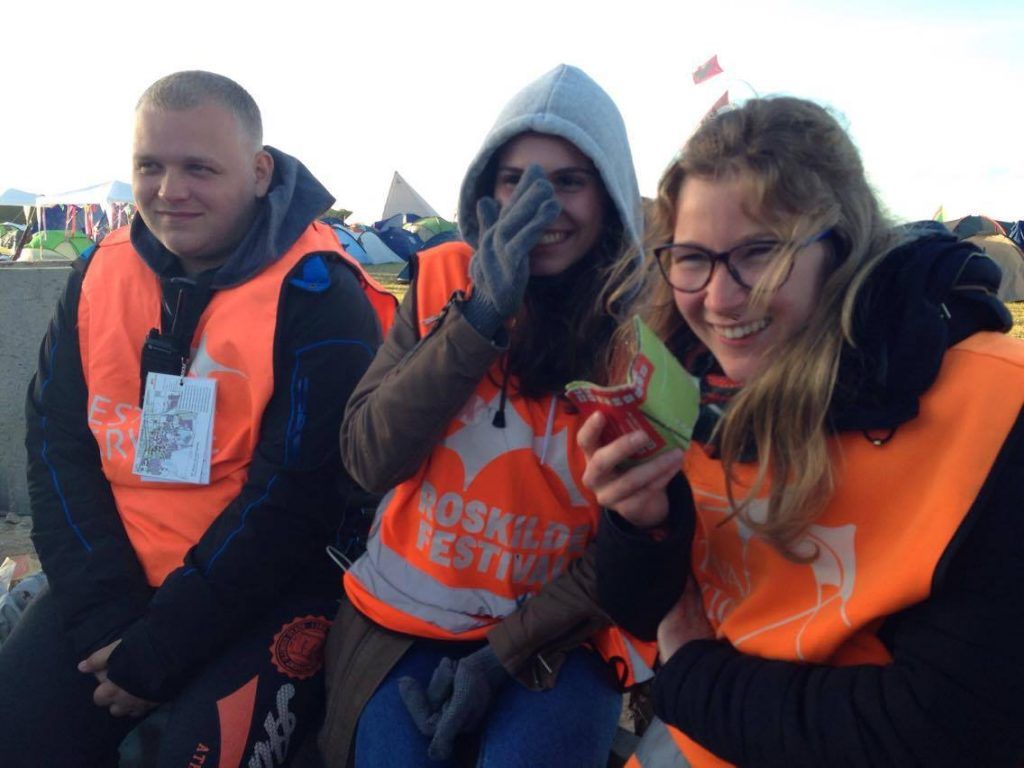
Volunteering 4 Life participants contributing to Roskilde Festival’s “Orange Feeling”

Outside of the festival, the Volunteering 4 Life program links to the goals of the Erasmus + mobility program through which it aims to maximise the potential of the youth in an increasingly competitive labour market, typified by a lack of practical expertise and speculation emanating from global financial instability.

Via the aforementioned Erasmus + program, Volunteering 4 Life creates the opportunity for groups of young people aged 13-30 from different countries to meet and live together for up to 21 days – a project dubbed ‘mobility youth exchange’. Other organisations involved in the youth exchange include Battle IT (Estonia), Nordic Heights (Finland), Youth School Vilnius (Lithuania), H2o (Portugal), Atrendia (Spain) and Handicap Team (Sweden) amongst others.

During this time, joint programs centered around workshops, debates, simulations and other activities take place, with the aim of building competences and creating awareness around socially relevant topics.

Roskilde 2017: More than something for The Weeknd

That’s what you call a second act! (photo: Kayla Johnson)

That’s what you call a second act! (photo: Kayla Johnson

Original article written for The Copenhagen Post.
 
Canadian R&B act Abel Makkonen Tesfayese (aka The Weeknd) was always going to be one of Roskilde Festival’s highlights in a music line-up that many festival-goers contend is void of veritable headliners this year.
This notwithstanding, there was some confusion as what to expect from the show – would it be a masterclass in Tesfayese’s undeniable vocal prowess or would he wilt in the limelight?

Lukewarm start
Kicking things off later than expected, The Weeknd shook the partisan crowd to life with a performance of his flagship track, ‘Starboy’.
A significant screen lag and palpable sound issues marred what was otherwise a befittingly bold opening. This was further diluted by the black and white screen projections against a dark, restless sky.
The lukewarm start dragged past the first few songs before a driven performance of ‘party monster’ changed the direction of the show.

Gone were the insipid black and white screens, duly replaced by rich colours and strong visuals. The sound still wasn’t quite right though and several punters questioned whether what we were hearing was playback or a tone maestro at his recognisable best – pushing his tenor range to the maximum with some mind-blowing falsettos.

Midway through and any doubts as to what we were hearing were consigned to mere memory compliments of an epic rendition of ‘Six Feet Under’ – another of the monumental tunes off Tesfayese’s 2016 album ‘Starboy’.

Cementing his popularity with the crowd, The Weeknd then rolled out a bold performance of  ‘Low Life’ (minus the grunts and barks of Atlanta rapper Future, who features heavily in the studio version).

Spellbinding magic
With the skies darkening and a crescent moon rising low over the trees around the Orange Stage, Tesfaye’s show peaked into top gear, as club grooves such as ‘Secrets’ and the iconic ‘Earned it’, off the ‘Fifty Shades of Grey’ soundtrack, worked a powerful, spellbinding magic on the indefatigable crowd.

A reminder of The Weeknd’s local popularity came towards the end as his popular party anthem ‘Can’t feel my face’ received unanimous backing from the crowd, who sang along for its entirety.

The Weekend came, saw and conquered Roskilde Festival 2017. If Tesfaye arrived as a Starboy, he left as a legend, carried by cheers for what was quite possibly the biggest crowd this reviewer has seen at the Orange Stage in his eight years at the event.

Roskilde Festival 2017 A-Z day one

Another year, another Roskilde Festival (my 8th one to be precise). Here are my shots from the first day of the event, along with a few general observations. #Rf17 seems to be a lot more formal but that doesn’t neccessarily mean it’s better organised. It’s early on but I have yet to figure this festival out (or I have grown old).

A- Authorities

IMG_1568

Rescue services are in full force, which is reassuring for us merrymakers

B – Beer bowling

IMG_1477

Beer bowling – a national sport at Roskilde, comme tojours.

C – Can collectors

IMG_1478.JPG

Can collectors from far and wide

D – Delights

IMG_1493

Delights – of the (charming) culinary sort – lots of em!

E – Epic Sax Guy

IMG_1469

We found him!

F – Foxes

IMG_1598

Where there’s foliage there’s foxes – this one was sat by the train tracks in Roskilde West

G – Gadgets

IMG_1476

Gadgets & gizmos galore – Fatboys and fidget spinners are killin’ it at Rf17

H – Happy times

IMG_1564.JPG

Keep em coming 😉

I – Illimatic fashion

IMG_1480

Rf17 is hip ville 2.0

J – Jams

IMG_1471.JPG

Traffic jams, music jams, people jams (like this one on the bridge over to Roskilde West)

K – Kicks

IMG_1584.JPG

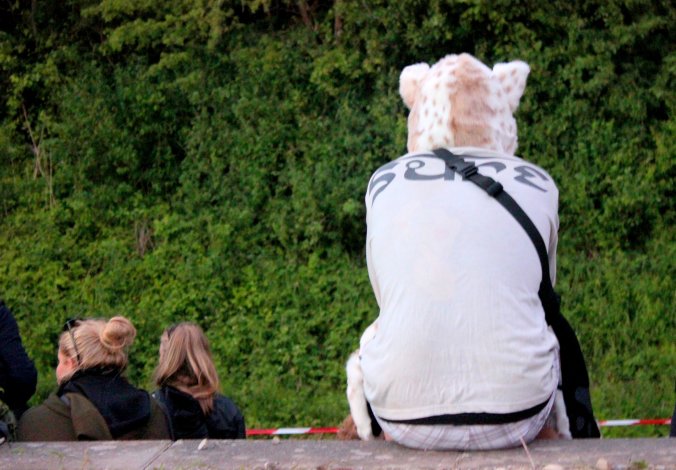
Some stand out more than others

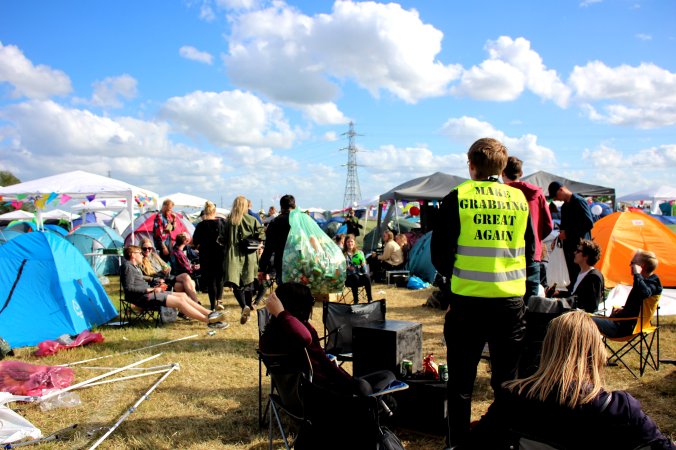
L – Loopey slogans

IMG_1479
You can thank Trump for them later

M – Mobile phones

IMG_1466There are mobiles galore and I am also guilty of reaching into my pocket for mine a bit too often

N – Nosh

IMG_1467

Nosh – lots of it, mostly organic

O – Old Gees

IMG_1515.JPGIt’s a festival for the young and old but young at heart
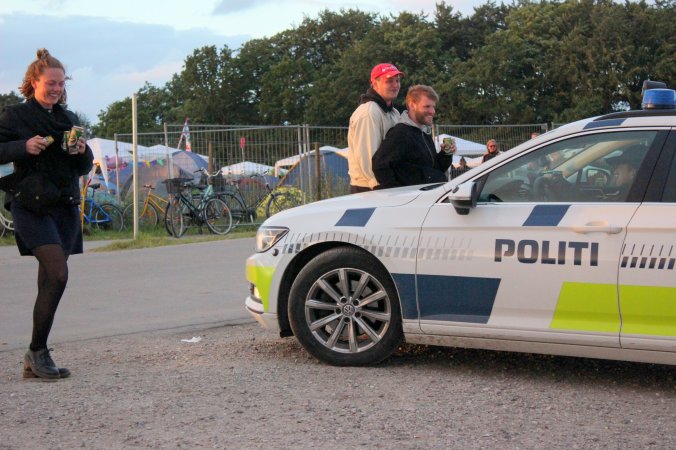
P – Police

IMG_1569

There is a heightened police presence this year. I saw police with M16 rifles ( a first), plain clothes police with labradors and police cars driving around

Q – Questions

IMG_1571.JPG

What are you looking at?

R – Rubbish!

IMG_1580.JPG

One (wo) man’s treasure, another (wo) man’s trash

S – Skate

IMG_1538.JPG

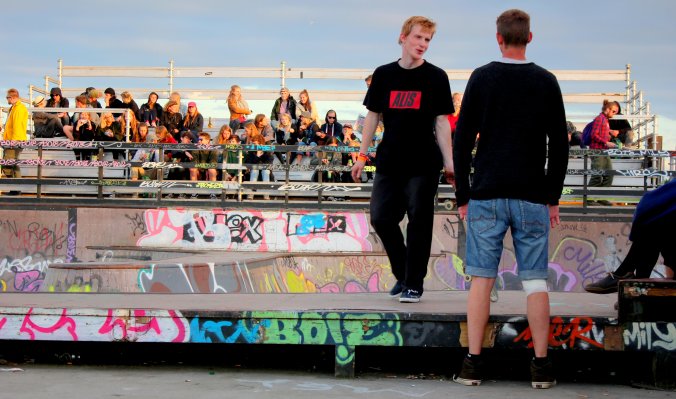
The skatepark is less flamboyant this year. Last year’s festival saw Red Bull host a range of engaging activities in my favourite corner of Roskilde West. This year, not much is happening there, though Game Denmark have taken ownership of most of the sporting activities in the rest of the area.

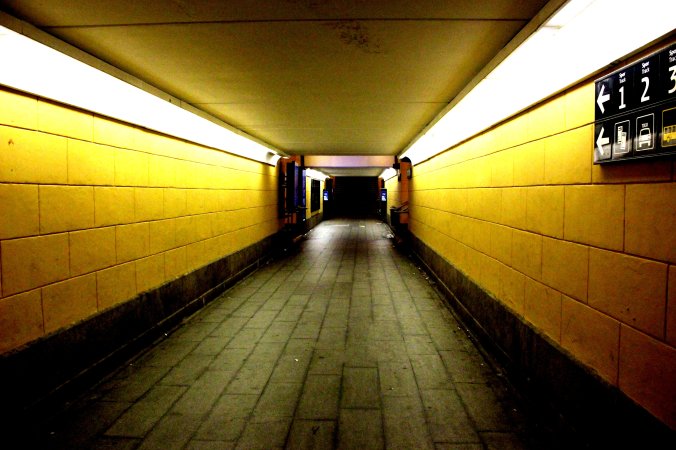
T – Tunnel

IMG_1602

The tunnel at Roskilde station – blissful at this moment in time but typically jam-packed

U – Urine

IMG_1470

Urine – urine everywhere (but there are more toilets and urinals around)

V – Vans – They are off the wall and über alles

IMG_1485

W – Woodstock

IMG_1558

Woodstock and Roskilde – not that many parallels but you will find the Woodstock Hummel bus parked in Roskilde West

X – X marks the spot

IMG_1581.JPG

We all love setting crosses by the names we’d like to see on stage

Y – YOLO

IMG_1552

You really do only live once at Roskilde. Cheesy? – it’s Y, give me a break!

Z – Zzz

IMG_1589

Beauty sleep – get lots of it at RF17!

See you out there for more action from the music days from Wednesday onwards. Which bands are on your hit list this year? Here’s a list of my favourites from last year. For more Roskilde Festival pictures, check out my 2015 photo roundup

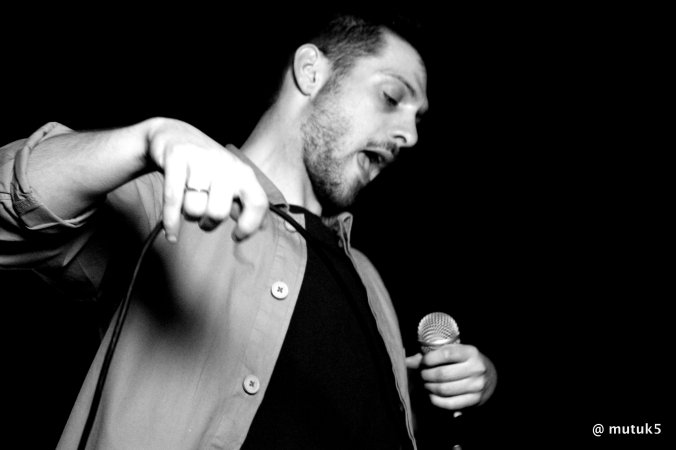
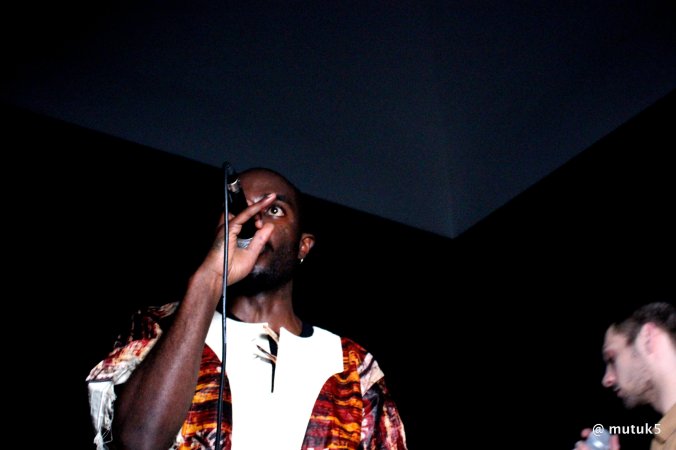
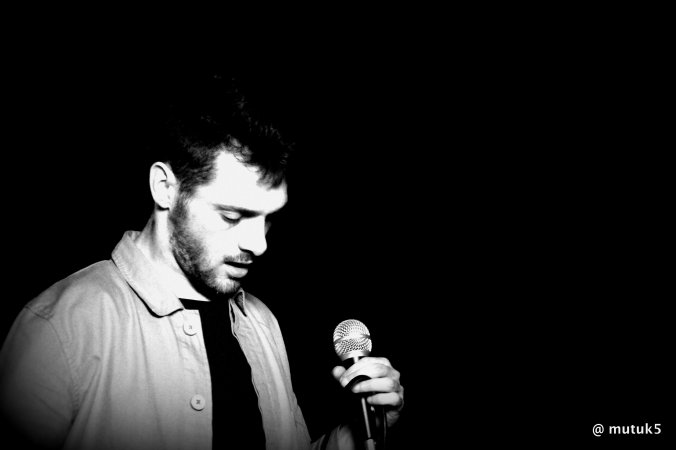
Capital Fluxus at CPH Dox Awards Ceremony

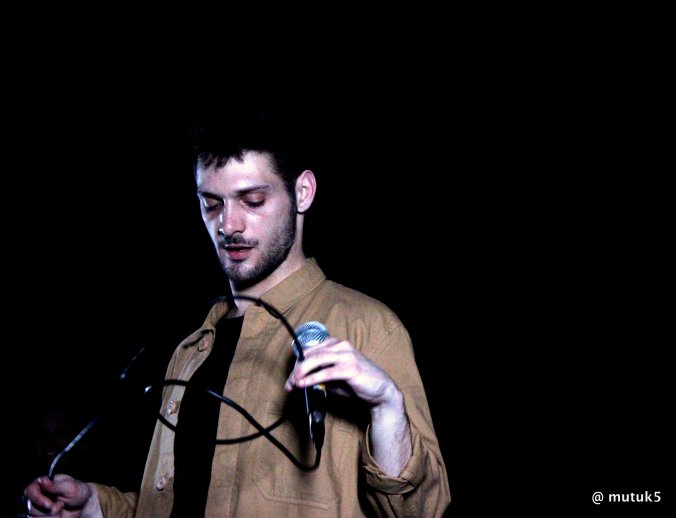
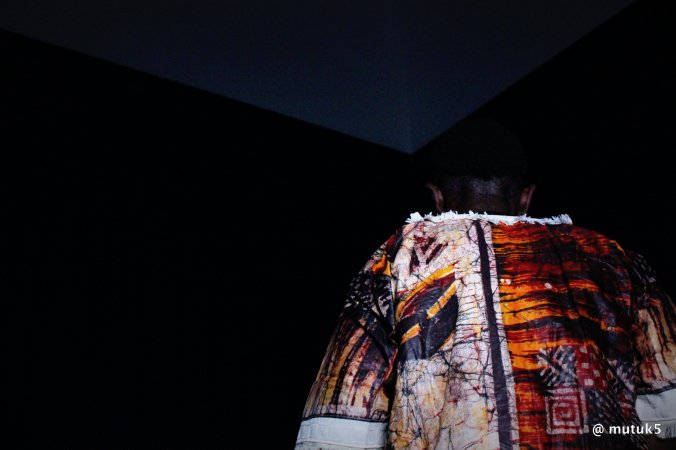
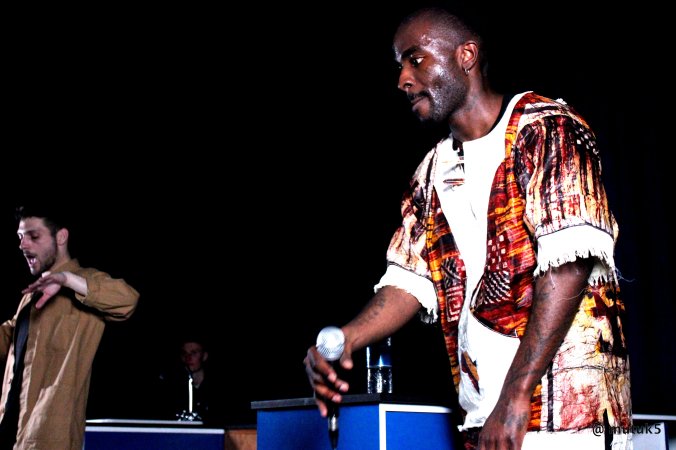
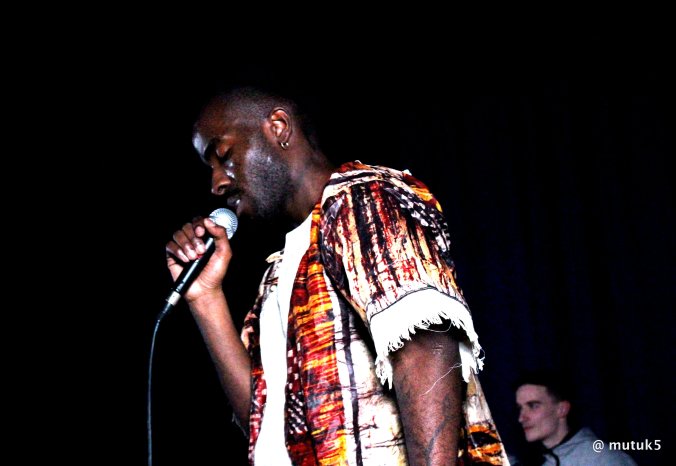
Pics from Capital Fluxus’ performance at CPH Dox’s Awards Ceremony – held at Charlottenborg Palace, Copenhagen.

As Copenhagen Dox, the city’s largest documentary film festival made its return after a one and a half year hiatus, Capital Fluxus marked their musical versatility with a performance at the festival’s awards ceremony.

Who are Capital Fluxus?

“Capital Fluxus are well on their way to becoming one of Europe’s most interesting hip hop acts – and well, honestly, they already are.” “They respect the basics of hip hop and urban music, and additionally try to shake things up by tossing some actual art into the mix.”

capital-fluxus-cph-dox-charlottenburg-20capital-fluxus-cph-dox-charlottenburg-18capital-fluxus-cph-dox-charlottenburg-17capital-fluxus-cph-dox-charlottenburg-16capital-fluxus-cph-dox-charlottenburg-15capital-fluxus-cph-dox-charlottenburg-14capital-fluxus-cph-dox-charlottenburg-12capital-fluxus-cph-dox-charlottenburg-11capital-fluxus-cph-dox-charlottenburg-10capital-fluxus-cph-dox-charlottenburg-9capital-fluxus-cph-dox-charlottenburg-7capital-fluxus-cph-dox-charlottenburg-6capital-fluxus-cph-dox-charlottenburg-5capital-fluxus-cph-dox-charlottenburg-3capital-fluxus-cph-dox-charlottenburg-2capital-fluxus-cph-dox-charlottenburg-1

And here’s a their latest video:

CAPITAL FLUXUS – NOL & SOL from Jacob Schill on Vimeo.

The Kenyan Coast, December 2016

This is a journey back to the country I grew up in — this time round in the company of my girlfriend. I find myself guilty, each and every single day, of forgetting just how beautiful a country it was and still is.

Most people relate to Kenya through the glossy images and videos that travel boards market — or through the stories of children in need of food and a penny or two of your donations during prime time broadcasting. Both scenarios present an exaggerated view of a nation of so many facades.

Our journey begins in Mombasa — Kenya’s second city, which is a loud, polluted mess. Many of its hotels of yesteryear are now a distant flicker of the glorious tourism heyday and now stand crumbling — behemoths under the African sun.

But this is Africa though (TIA), so for every crumbling hotel, there is a fighting soul forking out a living for themselves — making ends meet. There is hope, everywhere — a force that is as constant as the lingering heat and the blue of the ocean.


IMG_7574.JPG

I am no fan of Mombassa but tuk-tuk rides can be fun. This one was

img_80591

Mombassa’s Nyali beach is not exactly paradise lost but some of it can be appealing it its own way

IMG_7649.JPG

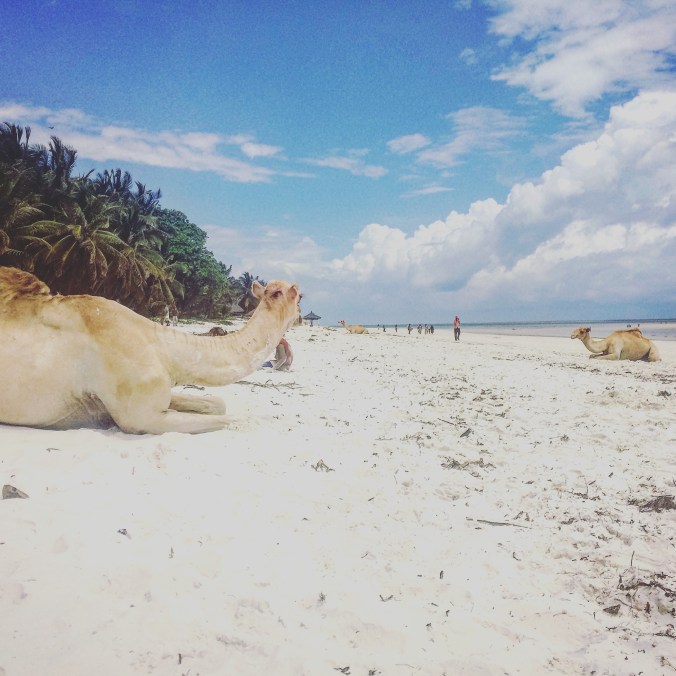
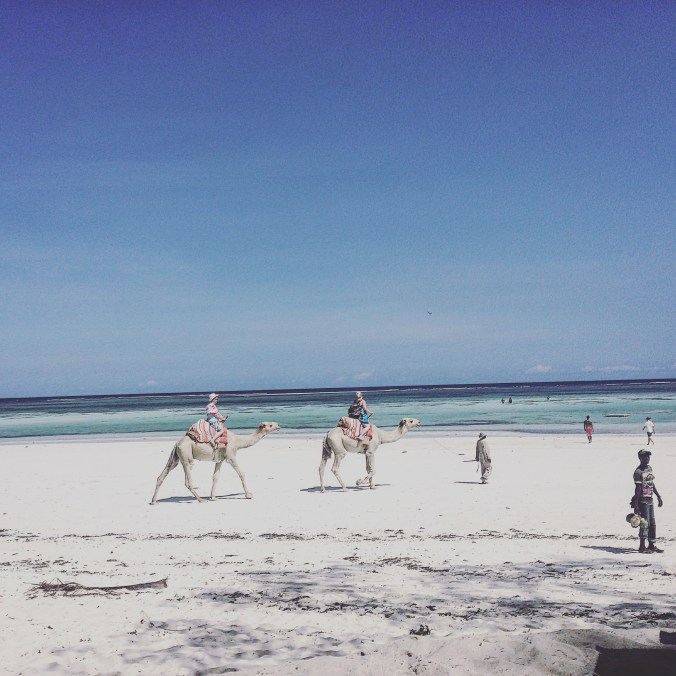
Here, you will find overpriced, half- starved camels that suffer in the hot sun to cure your selfie fetishes. I need not add that these mighty beasts are not native to these parts

img_7809

Nonetheless, perched on their back, as in the Lawrence of Arabia days – you will find one tourist after another who thinks it’s cool to plod along the beach in tow

IMG_7779.JPG

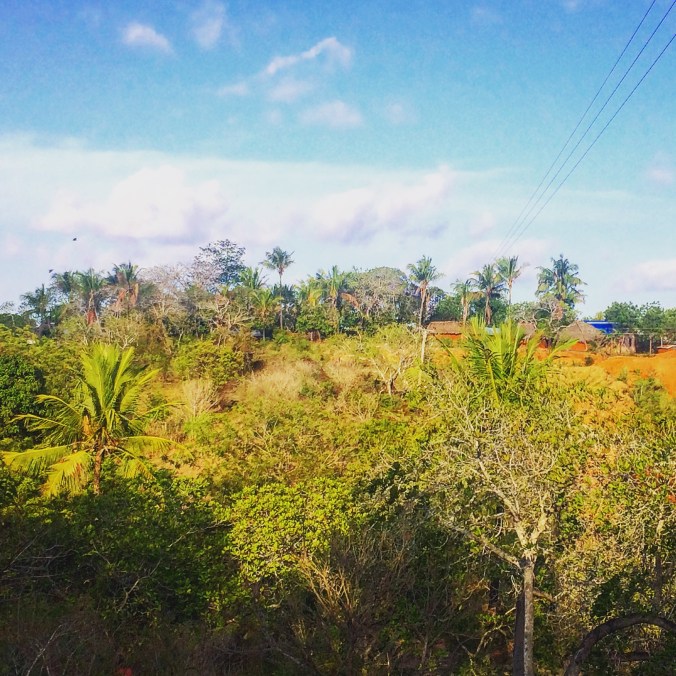
If you want something a bit more real – wander north to Kilifi – 65 kilometres north of Mombassa. This was taken from the road on the way to my godmother’s house as we ventured inland, past the glittering Kilifi creek

img_0568

The real magic starts when you venture south though – to Diani and further on, Galu beach- 33 kilometers  south of Mombassa

img_0569

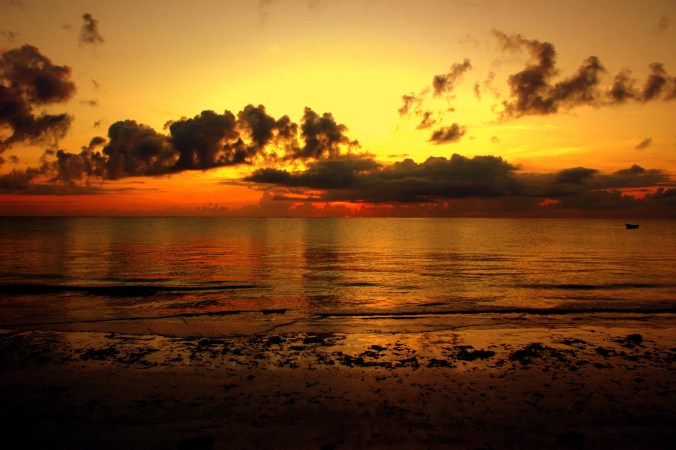
Daybreak  in these parts is an overture, masterfully woven – the water was still enough to paint on that particular morning

img_0532

Rupturing the peace ever so slightly, a fishing boat coasted gently along, leaving weak ripples in its wake

img_0591

Noon, and the overhead sky never looked more divine. There is something pacifying in the shade of a coconut tree

dscn1885

Nothing beats the water though

dscn1852

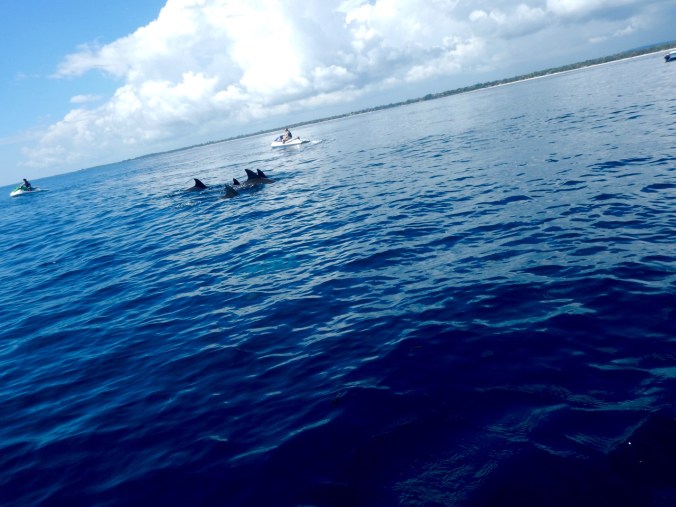
I am humbled, time and again by these mystical creatures – masters of the seas

img_0435

We found this sandbank in the middle of the Ocean, a barrier between the reef and the shore that rears its sandy head at low-tide

img_0511

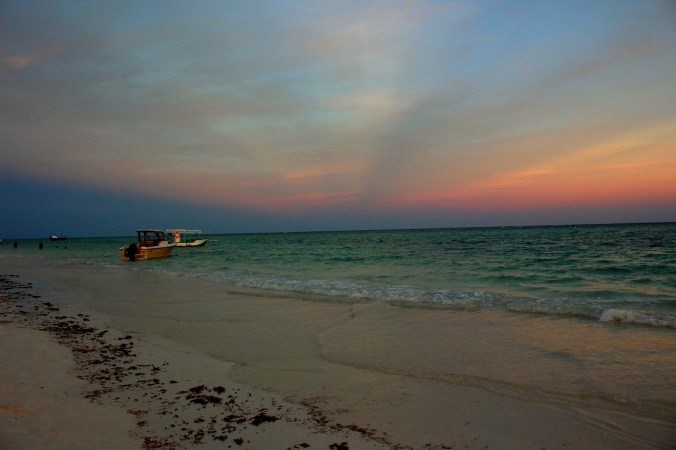
Come dawn, back at shore and the distant clouds are aflame once again

img_0505

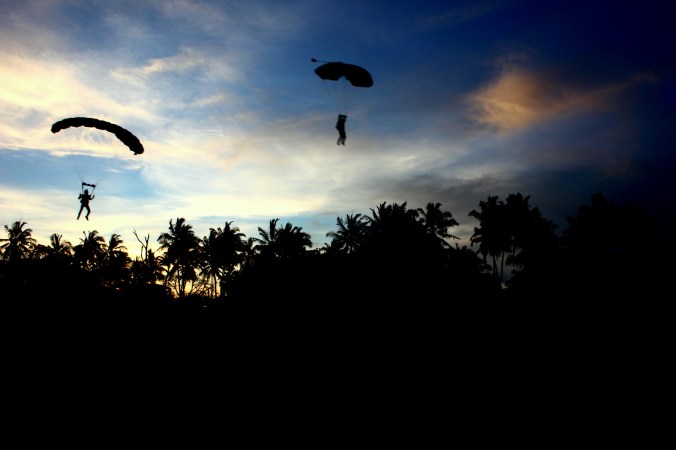
Clumsy creatures descend from the heavens, strangers in the early night whose arrival on the beach is marked by a short burst of rushing air followed by a thud and the occasional scream.

IMG_0498.JPG

Dusk turns symphonic just before the curtain call. I will miss these emphatic colours and the coruscating waters of the Indian Ocean. I will miss the smiling people – my people and their ways under the sun

In Search of The Human Scale: Cities That Move at 5 km/h, instead of at 60 km/h

Original article published for The Danish Architecture Centre.

The history of global architecture is replete with examples of monumental constructions. As a civilisation, we often tend to be endeared by that which is mammoth, gargantuan and high-rise; we are a society driven by affection towards that which manifests itself on a grand scale. This is true of the Pyramids of Giza as it is for today’s vast, unending skyscraper skylines of Dubai, New York, Hong Kong and Tokyo.

However, whilst the architectural feats required to raise grand structures such as skyscrapers several hundred feet above ground warrant adulation, there are many who argue that there is an essential element that is often omitted from narratives of this sort.  In hisTED talk held at Copenhagen’s Black Diamond Library in November last year, Danish architect Jan Gehl discussed the need for pedestrian-driven cities that put people at the centre of the town planning narrative. The TED talk reflects some of the construction philosophies that have been at the heart of Jan Gehl’s work over the last forty years.
5kmcities_1_469x320

Jan Gehl at TEDxKEA. TEDxKEA Credit: Daniela De Lorenzo 2015

The Human Scale

According to Gehl, one of the most important elements in the construction of habitats for humanity is what he calls, the human scale – the construction of structures and habitats with humans at the centre of the narrative. Now, whilst this may seem like a given, Gehl argues that modernist (post 1960) architecture and town planning has in fact, eliminated the human scale from the equation, in its bid to build for the modern man.

If we look at the cities before 1960, they were built in small instalments – typically around two building blocks- the street and the square.”/Jan Gehl

These buildings blocks were based on the movement of the feet in the case of the street and the eye in the case of the square.  In other words, the old cities were built for and took their departure in, the body. However, with the expansion of the world and the compatibility between mass production and modernism, the human, scale and in essence the way in which people moved on streets and within squares was forgotten.

For Gehl, what followed was a series of cities and construction projects that looked spectacular from the air but lacked essential functionality at the street level. Combined with the increasing role of the car in society, what followed was a prioritization of vehicle transport over people and pedestrians. Gehl had other plans for his city planning endeavours, however.

Strøget

It is needless to say that Gehl is most well known for his groundbreaking work on Copenhagen’s pedestrian street, Strøget. At 1.1 km in length, this is Europe’s second longest pedestrian streets after Bordeaux’s Rue Sainte-Catherine and a major tourist attraction. Strøget’s development was also a cornerstone for Copenhagen’s prioritization of bike and pedestrian traffic. However, whilst the street is revered today, this wasn’t always the case. Rioting motorists and death threats to the mayor of Copenhagen in 1962, Alfred Wassard, at the time the idea of a pedestrian-free street was conceived, threatened to derail the project entirely.

None of the cities had any knowledge about how their cities were being used by people but they knew everything about how the traffic used the city…. This gave a fantastic imbalance”

/Jan Gehl, TEDxKEA

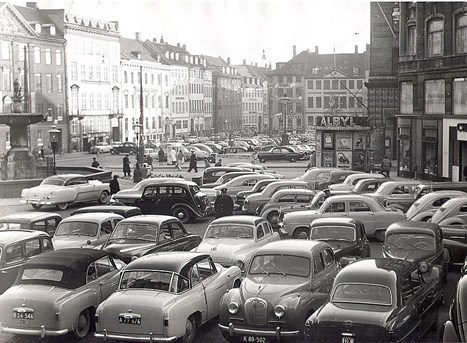
5kmcities_2_467x343

Copenhagen’s pedestrian street in the early 1960´s. Credit: Københavns Stadsarkiv 

Gehl was responsible for making recommendations to the mayor at the time, and started studying Strøget in 1962. Upon his recommendations, the street was pedestrianized the very same year on a trial basis. In 1964, this was made permanent. Removing car traffic from this area of the city was a priority in Gehl’s planning narrative at the time. However, Gehl’s subsequent policies and practicies have also had other focus areas embedded within their narratives (such as encouraging the use of bikes)

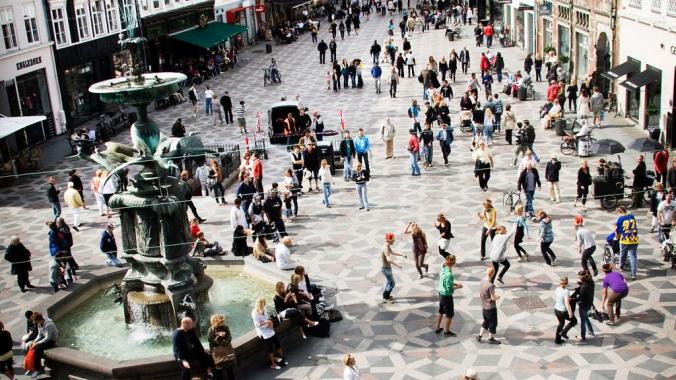
5kmcities_3

Copenhagen’s pedestrian street, Strøget, today. Credit: Visit Denmark 2015

Gehl’s Influence Globally

Strøget founded the basis of Copenhagen’s pedestrian-friendly city planning policies, as we know them today. However, Gehl’s influence on humanistic planning also extends to the planning policies of other nations.

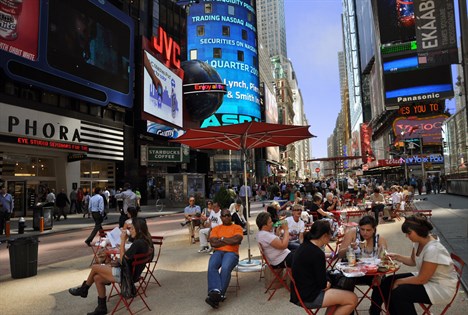
For instance, in 2007, Gehl was influential in re-mapping New York’s streets in a more pedestrian-friendly manner. Through his advice to the department of transportation, numerous city planning policies in the area have been made in in the interest of pedestrian-friendly urban architecture. Similarly, Gehl’s work has also been influential in Australia and New Zealand, where he has prepared public life studies for the city centres of Melbourne, Perth, Adelaide, Sydney, Auckland, Wellington, Christchurch and Hobart.

5kmcities_5_468x315
Times Square, pedestrian plaza pre Gehl intervention. Credit: Gehl Architechts, 2010 

5kmcities_4_468x315

Times Square, pedestrian plaza postGehl intervention. Credit Gehl Architechts, 2013
Today, the town planning policies of numerous cities the world over are increasingly concerned with placing pedestrians at the centre of the architectural narrative. This is nothing new in the history of construction, as pre 60´s architectural traditions dictate, so essentially, what is needed, according to Gehl, is a return to some of the architectural paradigms that defined the way we built cities in the past.  This, he argues, creates intimacy and interaction; it creates a human scale that places people at the epicentre of the city and the life around it.

‘There’s good money to be made here’

Original article written for The Local Denmark, available here

 
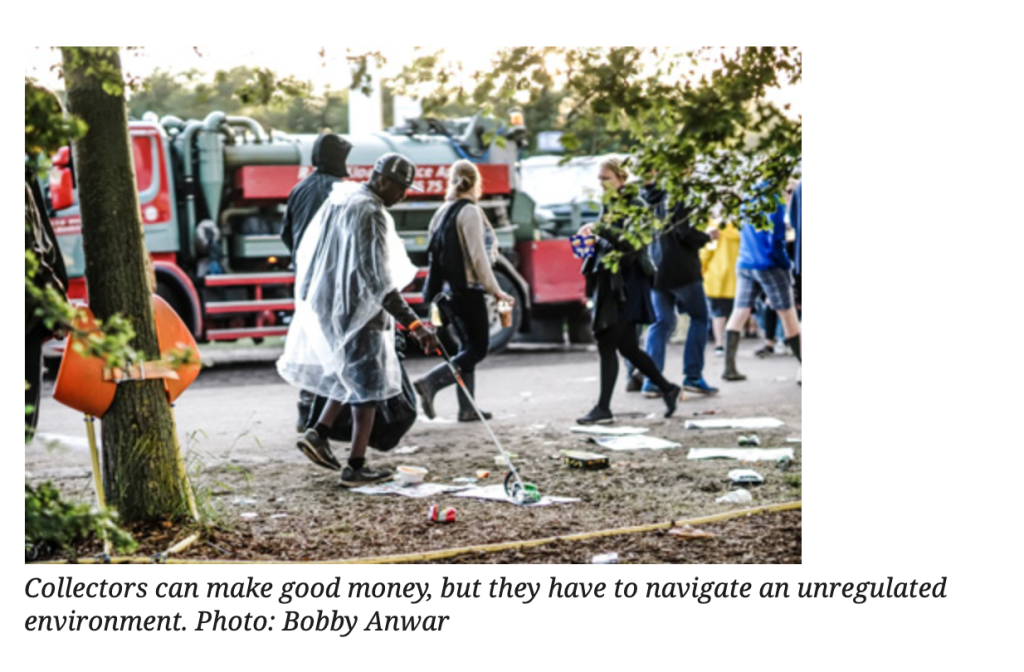
With over one million litres of beer consumed at your average Roskilde Festival, the mess from empty cans and bottles left behind is an issue that draws attention every year. Yet the revenue that can be generated by collecting and recycling the receptacles is significant, thanks to the Danish deposit system.
 
That promise of money literally being tossed on the ground draws hundreds of can collectors – many from Africa and the Roma community – to the festival each year. It’s estimated that a single collector can make up to 60,000 kroner in deposit money over the course of the full eight days.


Yet the life of a can collector, whilst well-paid and tax free, is anything but comfortable. Amongst the maddening crowds and mosh pit frenzies they bend, laden with plastic bags filled with empty soda and beer containers. Theirs is a life amongst an underclass in an world whose rules are far from fairly regulated.
 
Invariably, their work is not without racist abuse from time to time. Yet despite the grumblings of some festival guests, these collectors keep the Roskilde grounds and their environs far cleaner than they otherwise would be.
 
Like many a festival-goer, I will admit that it can be annoying to have bags of dripping beer spilled on one’s clothes whilst enjoying a good show or relaxing on the camping grounds. And the pressure of having a can collector waiting anxiously for one to down their beverage does create some frustration. All the same, the mess from all the merrymaking needs to be cleaned by someone at some point.
 
Meet Peter from Nigeria
In an attempt to understand the world of can collection, I spent some time with Peter, a bottle collector from Nigeria, who collected cans at Roskilde for the first time this year. I followed him around the camping grounds for a short while, as he introduced me to his working routine and shared some of his thoughts on the nature of his work.
 
 
“The festival is amazing but at the same time I’m working a lot, sometimes up to fifteen hours a day,” he said. “There’s good money to be made here but you have to work a lot for it.”
 
“What is the most difficult part of your job?”
 
“Sometimes when you approach people – I can’t call them clients because we’re not selling, you know –  some are aggressive. This is normal, somehow we are inferior to them. We have to be strong so we don’t feel the impact of this.”
 
“There is also the fact that we have to return a maximum of 50 pieces per empty sack. When you’re out collecting, you don’t have time to think about this so you have to sort thing out a lot afterwards.”
 
I shadow Peter for a short while as he makes his rounds in the Roskilde Festival West camping area. On this brief journey, we manage to gather a few isolated cans and the odd bottle. The camping area is at its quietest, so this is fairly straightforward and without trouble. Peter remarks that this is not always the case, however, stating that it is obviously more difficult to collect cans when the party is in full swing.
 
 
Collectors get their own VIP lounge
So the life of a can collector, at least from Peter’s perspective, is not without its challenges, even though, as he contends, there is good money to be made.
 
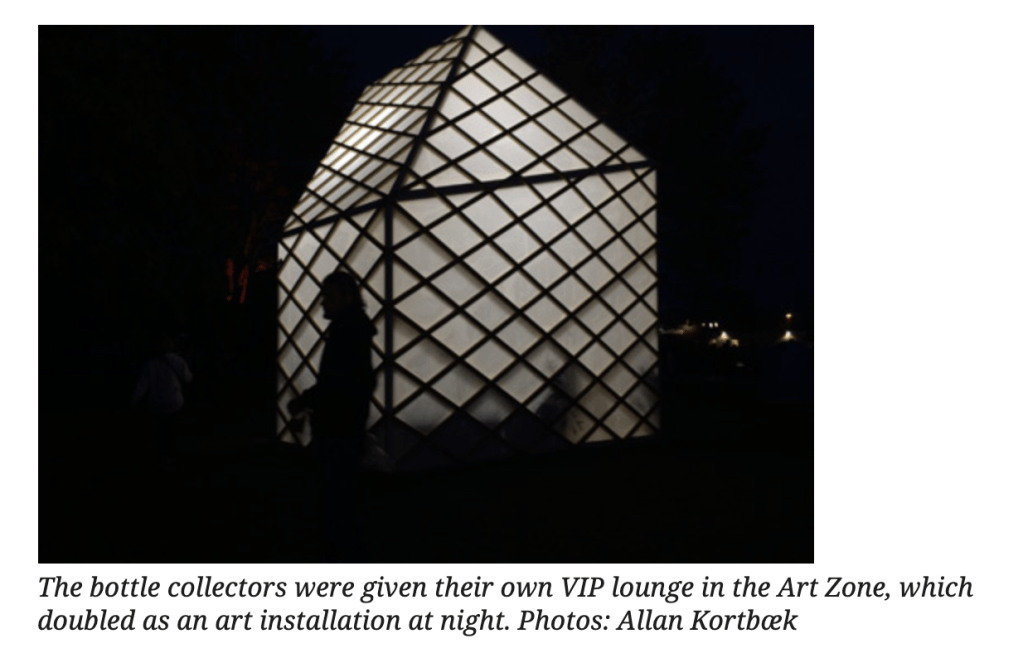
This year, Roskilde attempted to mitigate some of the challenges posed by the can collection process. I took a look at one of them, the VIP can collector lounge in the Art Zone. A product of the well-known artistic group Superflex, the Flagship Shelters/Bottle Collectors VIP project features several shelters made on designs based on the flagship stores of major fashion brands such as Prada and Miu Miu.
 
The shelters are made from cheaper materials and downscaled from the original extravagant designs, in an aim to create a discourse on matters of consumption, social injustice and resource prioritization. The area is well staffed and frequented by many a bottle collector though the main lounge area does have more tired festival-goers than bottle collectors lying around.
 
On the surface, some of the issues of can collection are indeed raised by this installation. However, most of the festival-goers I met here seemed comfortably unaware of what it was and the palpable gap between can collectors and Roskilde festival’s guests was still painfully apparent.
 
This is not to say that the efforts of the festival should not be credited. Compared to previous years, Roskilde has indeed made significant attempts to address the issue of can collection, for example by ensuring that refund points are well staffed and that the process is more regulated.  The issue is indeed in focus, but can more be done to address the fundamental problem areas?
 
Throughout the eight-day party, the guests and the collectors complete a symbiosis as can after can is opened, drank, disposed of, collected and returned.
 
While Roskilde’s 100,000-plus crowd kept the good times rolling, can collectors like Peter continued to earn their keep beneath their dancing feet.


The best concerts of Roskilde Festival 2016

Befitting the diversity of the line-up, there are precious few overlaps in our three writers’ picks for the best concerts at this year’s Roskilde Festival. Performances from all six stages and on all four of the festival’s main musical days made the cut.
From legendary acts to Colombian experimental rock and UK grime – and just about everything in between – here are our selections for the best performances.
Justin Cremer’s top five picks
1. Neil Young + Promise of the Real (Orange, Friday)
From the opening keys of ‘After the Gold Rush’ through the 30-minute extended jam encore performance of ‘Love and Only Love’, Neil Young put on a commanding, thunderous performance. Mixing old favourites like ‘Alabama’, ‘Words’ and ‘Unknown Legend’ with newer tracks like ‘Mother Earth’, Young and his excellent backing band Promise of the Real put on a show that was quite possibly the best I’ve witnessed on the legendary Orange stage.
2. Kvelertak (Avalon, Thursday)
There were an estimated 7,000 Norwegians at this year’s festival and at times during this Stavanger band’s wild and raucous late night set, it felt like I was surrounded by all of them. This was without a doubt the highest energy interaction between band and audience that I had the pleasure of being a part of.
3. Savages (Avalon, Thursday)
When I saw Savages play the Pavillion stage in 2013, it was one of that year’s most pleasant surprises. Three years later and on the larger Avalon stage, the London-based quartet blew me away again with their mix of attitude, sexiness and intensity.
4. Sleep (Avalon, Wednesday)
The midnight set from doom pioneers Sleep was near the top of my list going into Roskilde, and it certainly did not disappoint. This was an absolutely hypnotizing set that provided the perfect ending to the festival’s opening night.
5. Gojira (Arena, Saturday)
I had heard good things about this French prog/technical metal band’s live performances for years and now I know why. Even though the band apologized several times for being a bit “rusty”, their Saturday evening set was a blistering display of tight musicianship and crunching grooves. The band might not have felt like they had delivered their best, but for me Gojira lived up to the hype.
Chris Manion’s top five picks:
1. Sleep (Avalon, Wednesday)
I sceptically joined a group to see the band Sleep with no prior knowledge of them or ‘stoner doom metal’. As soon as we were about 50 metres from the show, I could sense perfect harmony between the music and the audience. It was this symbiotic relationship that some artists simply failed to capture in the same enigmatic style. The music was expressing a shared feeling, a collectiveness, and that is what Roskilde Festival is essentially about, being together for the love of music.
2. Neil Young + Promise of the Real (Orange, Friday)
The 70-year-old Canadian legend delivered a breathtakingly energetic performance. The show progressed from heartfelt renderings of classics such as ‘Heart of Gold’ to a full throttle rock’n’roll experience like no other.
3. MØ (Orange, Saturday)
The Danish international star came to the Orange stage on the final evening of Roskilde 2016. There were many festival-goers looking defeated and deflated, a tough crowd to bring alive. As soon as MØ came to the stage, it all changed. She brought a passion and energy that could not be topped by many other artists in the world.
4. Courtney Barnett (Avalon, Thursday)
A first-time Roskilde Festival experience for the young Australian singer-songwriter and she did not disappoint. She gave festival-goers a powerfully sincere performance. Many times throughout the show, you could see that this was still a 28-year-old playing songs that openly confess her deepest fears and regrets. That humility gave the performance a beautifully personal touch.
5. Mac DeMarco (Arena, Friday)
The cheeky Canadian up-and-coming star strutted on the stage with unabashed confidence, and then looked at the audience like a naughty schoolboy and gave his famous gap toothed smile. From then on, it was a fun, energetic and charismatic performance.
Allan Mutuku-Kortbæk’s top five picks
1. House of Pain (Orange, Thursday)
The guys that brought us the legendary ’Jump Around’ tune rocked the Orange stage to its core during their Thursday afternoon performance. Who would have thought that a hip-hop mainstay such as this would play Johnny Cash’s ’Walk The Line’ in their set?  Schoolboy Q and Young Thug should take notes from these OGs.
2. Tame Impala (Arena, Friday)
Australians Tame Impala are a class act and have grown in presence and stature since their previous appearance at Roskilde a few years ago. Backing their performance with an impeccable light show and a ton of confetti, they were simply insurmountable on the Arena stage.
3. Los Pirañas (Gloria, Saturday)
Colombia’s Los Pirañas churned out an endearing stream of psychedelic rock fused with South American influences that blew the roof off the intimate Gloria stage. Hats off to the stage crew for outfitting the stage with an epic light show to match an assured performance.
4. Tenacious D (Orange, Thursday)
Honestly, I’m not a Jack Black fan and even after his momentous performance at Orange, I still have my doubts about the man’s sanity. Credit is due to him, however, for providing a fun and at times mesmerising show amidst the rain. Where others would have stumbled, Tenacious D were sure-footed, weird and even wonderful.
5. Elf Kid (Apollo, Saturday)
Grime’s renaissance was reflected in Roskilde’s bookings this year. Of those on the billing, South London’s Elf Kid was, for me, the most impressive of the lot. Backed by his DJ, the kid spat out one lyric after another before getting bare-chested in the early Saturday afternoon chill, encouraging everyone to banish their hangovers to mere memory.

New Danish festival: Music, art and talks in castle setting

The Heartland Festival is hoping to carve out a niche in the busy festival month of June by combining a short but unique music line-up with world-renowned artists, high-level talks and a focus on Danish cuisine.
And the whole thing will be done in the fairytale setting of the well-known tourist beacon Egeskov Castle.
“Our ambition with Heartland is to challenge exciting perception of what a festival experience can be by offering playful formats, multiple art scenes, instant fun and long-lasting substance. With a strong line-up of artists, a beautiful renaissance castle and new ways of experiencing music, arts, literature and food, I cannot wait to present the new Heartland Festival to the world,” festival director Ulrik Ørum-Petersen said.
Immersive experiences 
Unlike the majority of festivals on the calendar, Heartland guns for a more holistic festival experience that involves immersion in the central elements of music, art, food and conversations.
To this end, some of the names on the music billing include Mark Ronson, The Flaming Lips, Michael Kiwanuka, Mikael Simpson, Kvamie Liv and Sun Kil Moon.
Talks from Brian Eno, performance artist Marina Abramovic and Danish ‘starchitect’ Bjarke Ingels will also take place during the two-day event.
On the food front, Heartland have planned a culinary programme that is designed to stand out from other festivals, featuring, amongst others, top chefs such as Per Hallundbaek.
Danish focus with international roots
With a predicted attendance of 6,000, Heartland is not an event targeting the average festival-goer, aiming instead for a more culturally aware audience.
“Heartland Festival is an entirely new festival approach, that does not resemble any of the other festivals that we know in Denmark, but that has had success in other countries such as England and Holland,” Ørum Petersen said.
Practicalities
When: Friday, June 10th – Saturday, June 11th
Where: Egeskov Castle, Kværndrup, Southern Funen
Price: 955 kroner for both days, 655 kroner for one
Accommodation: Guests can camp in their own tent or choose a pre-pitched option. Local hotels, bed and breakfasts and holiday homes are also available (at a separate cost).
Key Names: Mark Ronson, Michael Kiwanuka, Blaue Blume, The Flaming Lips, Mikael Simpson, Anne Linnet, Whomadewho, Brian Eno, Bjarke Ingels, Marina Abramovic.
Transport: Trains to Kværndrup Station run from Odense’s central station. Free shuttle buses to and from Kværndrup.
More information is available on the festival’s website.