Album Review: Bjørk, Biophilia

Boundary-breaking? This is boundary shattering !
Few would dispute the assertion that when it comes to breaking down musical boundaries, Icelandic eclectic standout, Bjork is one of the best in the business. Her eighth studio album, Biophilia encapsulates this attestation better arguably better than all of her mysterious creations coupled together.

Biophilia is, according to Bjork, a  multimedia collection “encompassing music, Ipod applications, internet, installations, and live shows. The album took 3 years to make and features around ten separate IPAD apps all housed within one “mother” app.

Each of the smaller apps, coupled after song names / themes relate to a different track from the album, allowing people to explore and interact with the song’s theme or even make a completely new version of them. The Guardian has gone as far as calling the album the future of music, on account of the illimitable possibilities for user interaction and indeed the sheer scale and weight of the project.

In fact, even if the album were absolute tripe, the very concept itself is enough to ensure it still gets the praise it deserves. Unsurprisingly, the music matches the concept down to a T. Each song is a sensual journey into the world of specific themes, within which Bjork’s emphatic vocals and poetic lyricism are juxtaposed against all manner of poignant instrumental cacophonies, including several specially constructed instruments such as The Tesia.

Biophilia also features lofty renditions by wildlife commentator David Attenborough and a compelling essay by Nikki Dibben who both add dimension, flair and surprise to one of the most innovative albums of our time.

Interview: Yann Tiersen, Rust (May 2011)

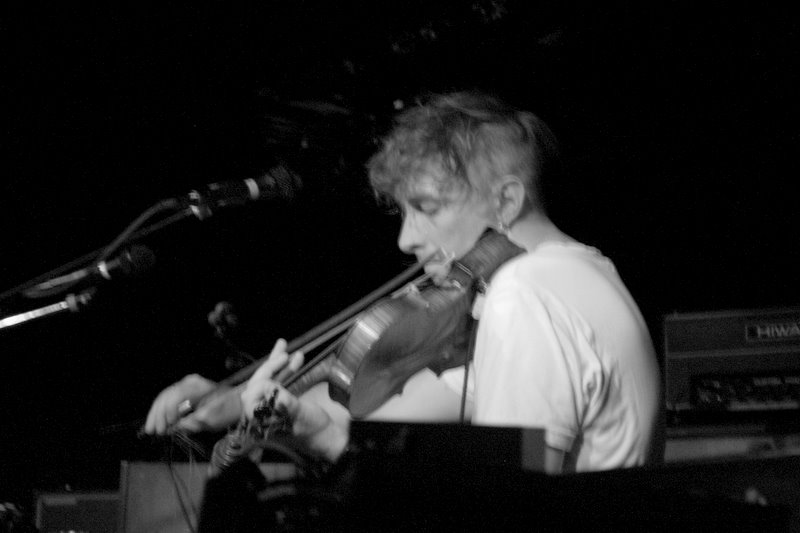
My mate Edoardo and I  stumbled on the opportunity to interview the French composer and multi-instrumentalist Yann Tiersen back in May after his concert at Rust, Copenhagen.  The interview was shot immediately after an epic, sweaty and packed-to-capacity performance that showcased snippets off his forthcoming album “Skyline.” The interview was published in the last issue of Roskilde University’s “Papaya magazine,” which you’re more than welcome to check out at www.thepapayamag.com 


Primal Scream, Store Vega (Aug 2011)

Back to the primordial

Store Vega 28th Aug 2011, 4 out of 6 stars

“Good evening Copenhagen !” “We’re Primal Scream and we’re going to kick your a**” These were the opening words from the enigmatic, controversial lead singer of Primal Scream, the legendary Bobby Gillespie, as he took to the stage at Vega yesterday. Two hours later, at the end of a sweaty, hefty concert and few present will deny that Primal Scream did just that. In fact, the London based alternative rockers were nothing less than brilliant on the evening, performing with energy and enthusiasm that could easily have filled and thrilled an entire Wembley.

The fact that Primal Scream were performing songs off their “Screamadelica” album, a collectors artifact that’s a good twenty years testifies as to just how timeless a musical creation it is. Screamadelica was an album that espoused the fusion of acid house and alternative rock with a perfection comparable to few other artists and bands of the immediate post acid house period of the early 90’s. Many will in fact argue that it is the album that best elucidates Primal Scream’s varied and eclectic musical genius, and hence it is little wonder that the band are at their unbeatable best when performing songs off it.

“High till the day I die”

Sunday’s concert started in subtle fashion, with a couple of tracks that warmed the crowd up before guest singer Denise Johnson stole the hearts of the audience with her performance of “Don’t fight it feel it.” Denise’s powerful lyrics juxtaposed alongside epic piano stabs and catchy, quick-fire beats set the tone for the rest of the evening, which built up progressively, layer upon layer. A particularly emblematic moment during the proceedings was “Loaded,” Primal Screams signature track, played towards the end of the concert, a tune that proved to be the instigator of quite the crowd frenzy as Bobby Gillespie’s rebellious chants of “we wanna be free to do what we wanna do” rang loud and crystal clear over pronounced electric guitar strings in the background. A cheery ovation from the audience at the end of it all, punctuated by chants of “high till the day that I die” summed up Primal Scream’s night out at Vega. Musical history was re-lived and recreated through the echoes of the second summer of love, a musical period that fueled the dance floor dreams of an entire generation.

Image

Pic: Wiki commons

Theatre Piece Review: No Known Cause, Tap 1 (August 2011)

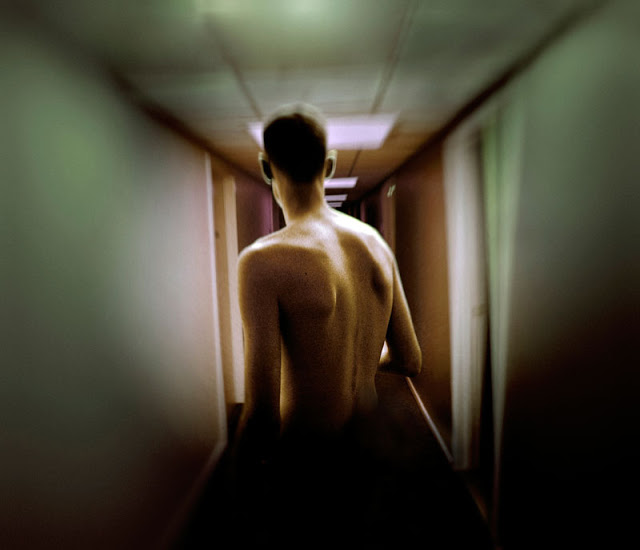
” We live our lives side by side, thin plaster walls dividing our existence. In “No Known Cause” new rules apply. A combination of performance, video and installation creates an alternative and distorted reality. Absurd meetings occur, conversations out of sync, you are a guest in the nature of your life. ”

“No Known Cause” has to be one of the most intriguing, most engaging theatre productions i’ve ever seen. The one hour long production has been scaring, captivating and pleasing theatre lovers and other enthusiasts for the past week or so, staged at the endearing industrial surroundings of the Ny Tap hall, outside Carlsberg’s factory by Enghave station.

Part of The Metropolis festival for art and performance in Urban Space, “No known Cause” leads its spectators through the journey of a young man and his elation, sorrow, dilemmas, actions and reactions. In keeping with previous productions by the exciting Wunderkammer artistic collective, the audience are part and parcel of the plot of the piece.

This particular production shepherds its audience through a series of hazy dreams and graphic sequences that epitomise and accentuate the fragility and significance of life.  Be prepared to be  guests in the ever-evolving patterns of your wandering lives !

Be sure to check out the remaining shows of the production, tonight, next Wednesday and next Thursday.

Image

Stella Polaris 2011

Warm vibes on a grey Sunday. 

Denmark’s marquee chill-out festival, Stella Polaris, proved to be an expectation-defying affair on Sunday, as thousands of Copenhageners, young and old defied the grey summer weather and flocked to the the grounds outside Denmark’s national art gallery for the fourteenth installment of the annual event. This year’s occasion featured an intriguing blend of veteran Stella Polaris artists such as Lulu Rouge and Nicka, newcomers such as Kura and established headliners such as Moby and Le Gammeltoft, in contrast to last year’s lineup which was a tad more-star-studded. As always, Stella Polaris was much more than merely a musical event. Many turned up with nothing more than a picnic basket and a blanket with little notion of what sort of music to expect and left the event beaming and in good spirits.

Chill-out don Kalle B got the ball rolling at noon, showcasing the very best of his laid back take on electronic music fused with the odd pop influence every now and again. With the crowd warmed up and the grey skies that had looked rather threatening during the morning clearing steadily, “Kura,” one of the hottest prospects in European electronic music took to the stage on their Stella Polaris debut and delivered a set that showed exactly why the Danish-Icelandic duo are as highly rated as they are right now. Their compelling fusion of dreamy ambient soundscapes and potent vocals paired alongside hefty bass thuds set the tone perfectly for Denmark’s first ladies of Deejaying, Le Gammeltoft and thereafter Rosa Lux, both of whom delivered energetic and clinical performances.

Chilled masterclass

Come Moby’s late-afternoon appearance, and the grounds at Østre Anlæg were as crammed as they got all day. Moby’s spellbinding performance was arguably the best of them all, a dreamy rendition that featured covers of timeless classics such as Johnny Cash’s “Ring of Fire,” Lou Reed’s “Wild side” and Agnes Obel’s “Riverside.” The critically acclaimed New yorker , in veritable Stella Polaris spirit stuck to the confines of ambient, laid-back grooves in his 2 hour set, and seemed to enjoy every minute of his stint behind the turntables. Moby’s tranquil performance was followed by a somewhat livelier appearance by the ever-consistent Lulu Rouge, who ended the event in style as they always do, smiling and waving as they lashed out witty, uplifting music to the delight of the energetic crowd.

Image

Roskilde Festival Review 2011, Part II

Following up on part I, here’s a list of several names to keep an eye out for over the next year or so: Janelle Monae Janelle Monae is a popstar of a different sort. Though parallels have been drawn between her and show queen Lady Gaga, Monae’s push for her own unique identity shines through a lot more consistently than it does with the first lady of today’s pop world.

Clad in a Tux and sporting the usual chic haircut that complements her juvenille looks and harmonic voice, Monae closed Roskilde festival’s Cosmopol scene with an award winning performance that gave an indication as to why her 2010 album “ArchAndroid suites” has received as much praise as it has. Monae’s self proclaimed identity as an android adds a geeky, entertaining element to her music and showmanship which shines through every aspect of her work.

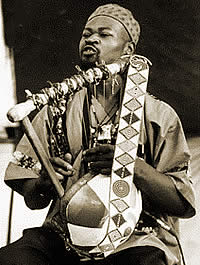
source:  hermusicbox.wordpress.com Afrocubism Afrocubism are a revelation in the genre of world music, fusing the musical influences of Buena Vista Social Club members with traditional West African musicianship in a combination that’s garnered a fair deal of afficionados over time.

Basic instruments such as the kora and the ngoni are given free reign in the lively, passionate music of Afrocubism, whose powerful vocals are complemented by detailed, varied instrumentation strung skillfully together by the veteran maestros that compose the band. Rich, rhythmic and rustic, Afrocubism are frontline ambassadors of contemporary traditional music.

Dark Dark Dark

The music of Minneapolis sextet Dark Dark Dark is the sort of stuff one would expect to hear at the peak of an emotionally charged movie scene. Grey’s Anatomy have in fact used the band’s most well known number, “Daydreaming” so don’t be surprised if more of their music makes it onto the television screen in front of you.

Soft, sentimental chamber folk featuring the piano, clarinet and banjo interspersed with poignant, piercing, spine-shingling lyrics just about describes what this band is all about, or does it ?

Roskilde Festival 2011 Review (Part I)

My Roskilde in Music : Names to watch out for Part I

As I wrote before, Roskilde 2011 was the year of the underdog, the year in which the Orange chart-toppers were ousted from the complete and utter dominion they tend to posses at the festival. 2011 saw stages like Cosmopol, Gloria and Arena shine and shimmer with the ambience of the less commercial and the underground. Orange did have its moments though, as anybody who saw Iron Maiden perform will tell you. Here’s a selection of up and coming names to keep an eye on in the near future

Reptile & Retard

Several years ago, France’s critically acclaimed electronic duo, “Justice,” took the world by storm with their raging basslines and squelching synth sounds coupled with indie and rock influences. “We are your Friends” became an evergreen hit and the band were catapulted into the annals of history. France have got Justice and Denmark have been endowed with Reptile & Retard, two loons from Århus whose myspace page contains but one track as they haven’t released an album yet.

Following success in China thanks to being promoted by former Oasis manager Michael Ohlsson, Reptile & Retard took Roskilde’s pavillon junior by the horns and flung the audience into a spellbinding 2 hours or so of sheer mayhem that culminated in the lead singer clambering onto the pilons supporting the stage before hurling himself into the crowd below.

The duo are currently working on their debut album which will be produced by David M Allen, the same bloke behind numerous tracks by “Depeche Mode” and “The Cure.” The Orange scene is calling !

Nicholas Jaar

At just 21, Nicholas Jaar is nothing short of a music revelation. Jaar’s organic, symphony-esque take on electronic music is as unique as it is spellbinding, comparable in many instances to the work of the likes of Andreas Trentemøller and Gui Borrato.

Drawing influences from the likes of Erik Satie and Mulatu Astatke, Jaar blends strings simple beat structures and dreamy vocals together with the craftsmanship of a musical genius. Much can be expected from Jaar after his critically acclaimed concert that saw the New York based talent showcase his debut album “Space is only noise” to a partisan Cosmopol crowd.

Charles Bradley

Charles Bradley’s tale is a cinderella story unlike any other. The “Screaming Eagle of soul” as he is commonly referred to, at the age of 62 released his first album “No Time for Dreaming” only earlier this year, after a lifetime as a struggling musician and cook. After spending most of his childhood living in appalling conditions on the streets of Brooklyn in the company of drug addicts and criminals, Bradley spent two decades as a chef in California whilst making music on a part-time basis.

After being laid off, Bradley moved back to his native New York and became a handyman to allow himself more flexibility as a musician and at the age of 51 began to record his productions. Fast forward to 2011 and Bradley’s debut album is racking up praise from music critics the world over as parallels between himself and the likes of soul legends such as Otis Reading, Curtis Mayfield and the seminal James Brown are drawn far and wide.

Roskilde 2011 will remember Bradley for his charged, soul-filled concert that saw him break down in tears at the end of it all and the world will remember this music legend for a long time to come. What an inspirational figure!
Gibraltar – Wildlife, in Pictures

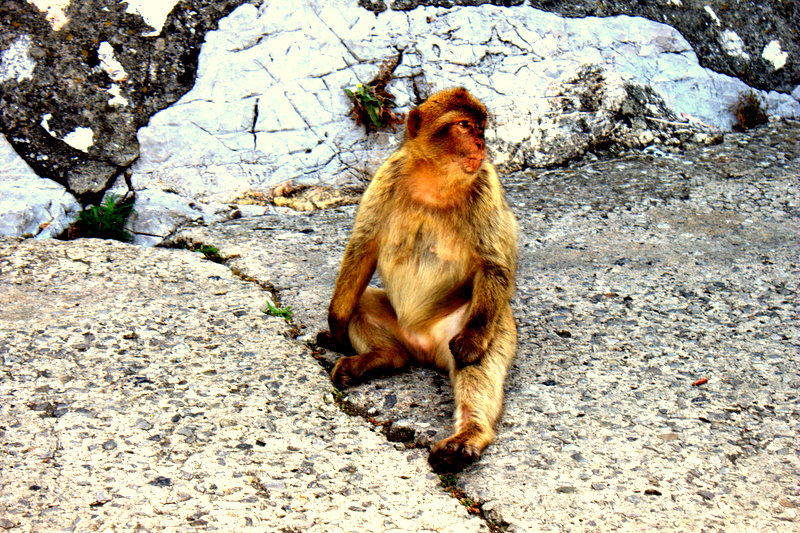
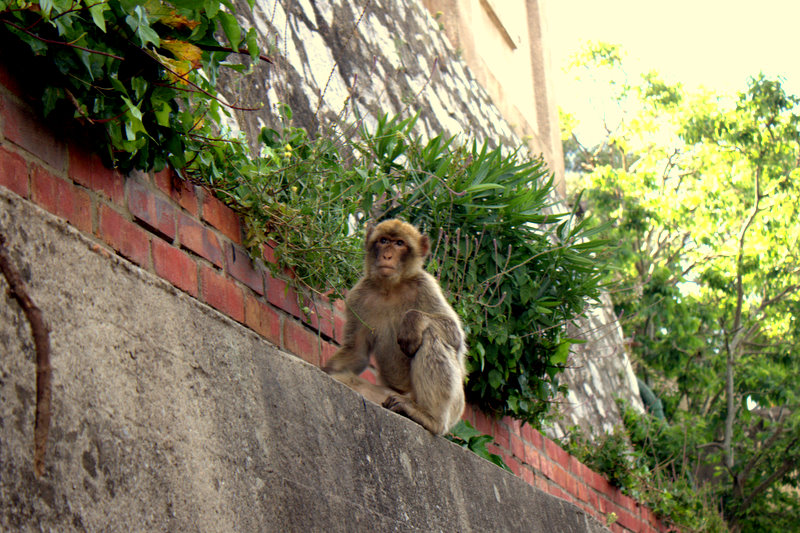
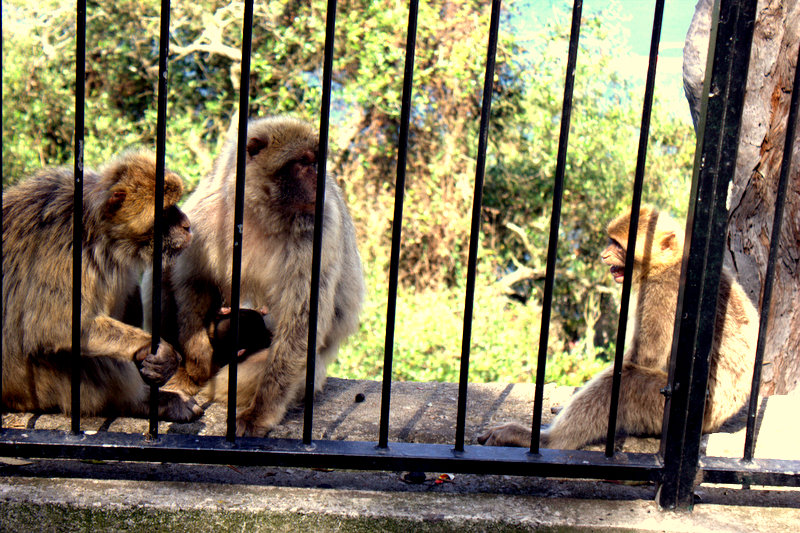
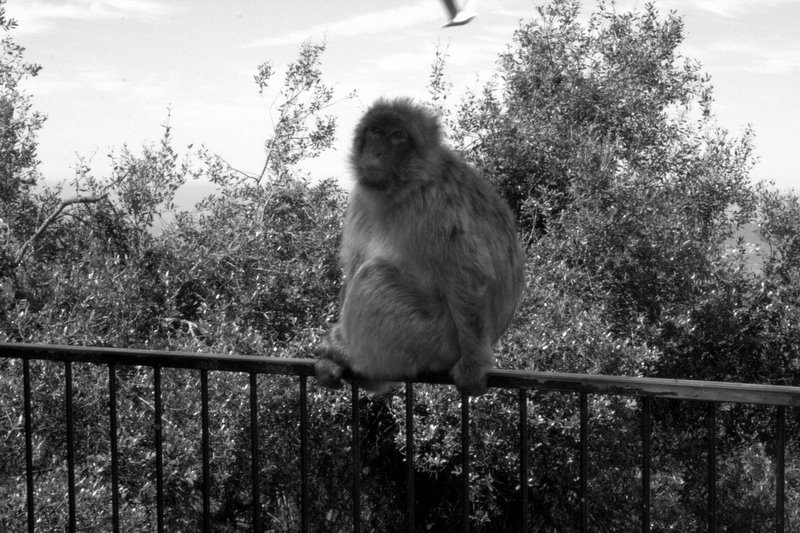
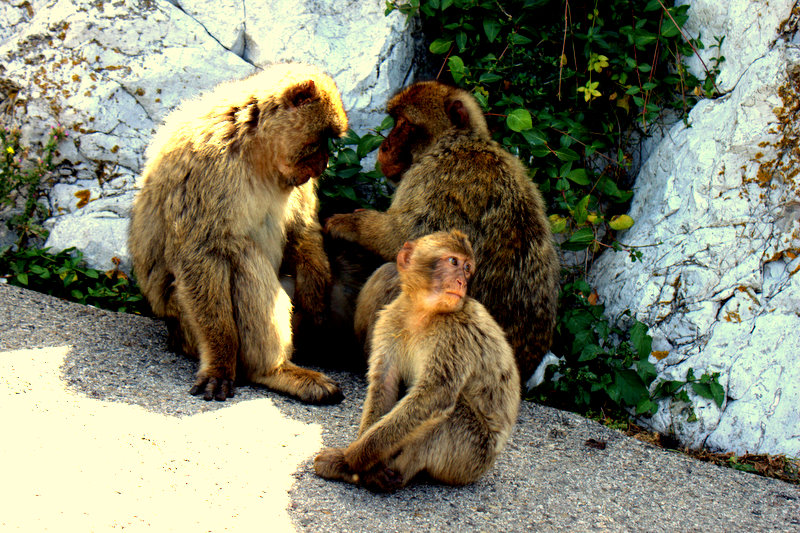
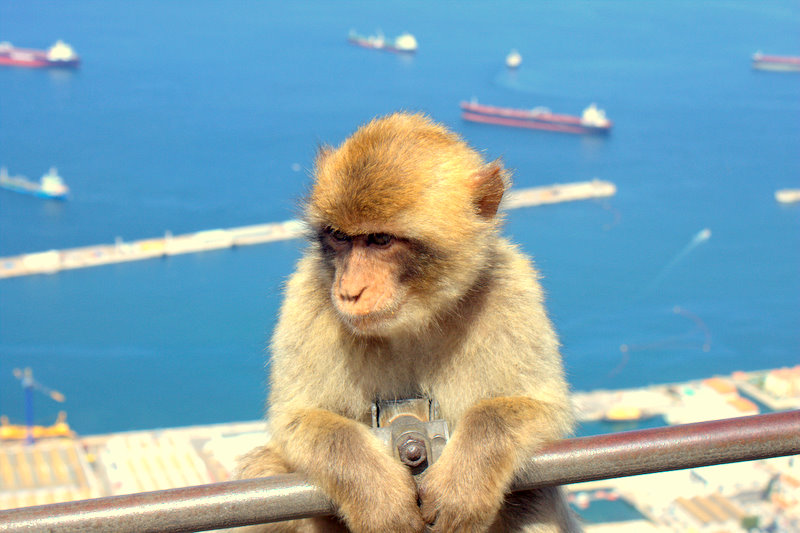
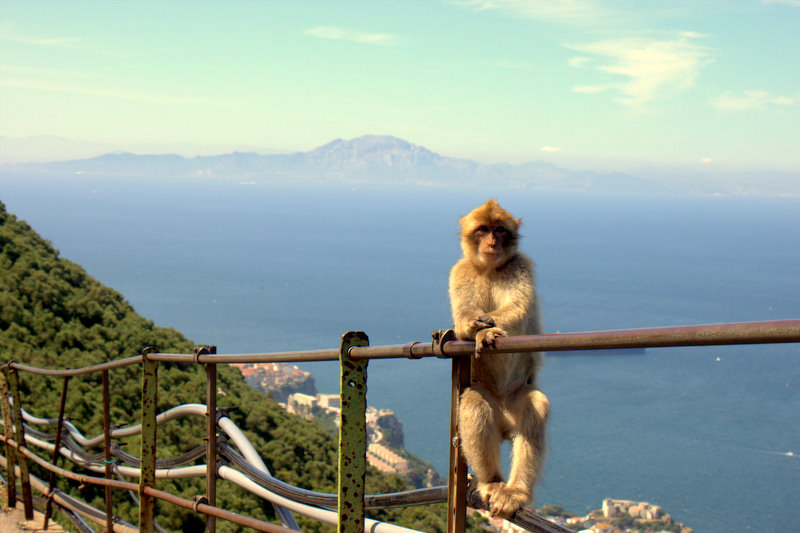
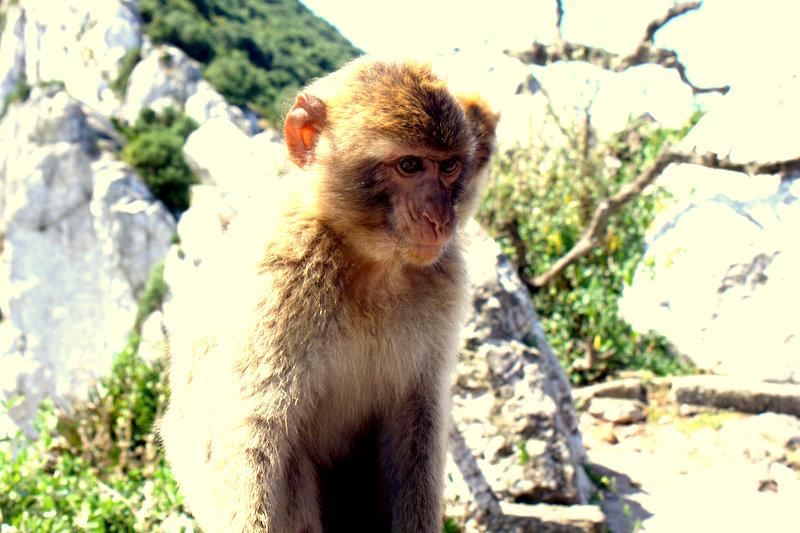
Gibraltar is home to Europe’s only free-living monkey, the Barbary macaque.  300 or so of these animals live freely on the slopes of the rock of Gibraltar and are thought to have been brought to the area from Africa by the Moors during their occupation of the Iberian peninsula.

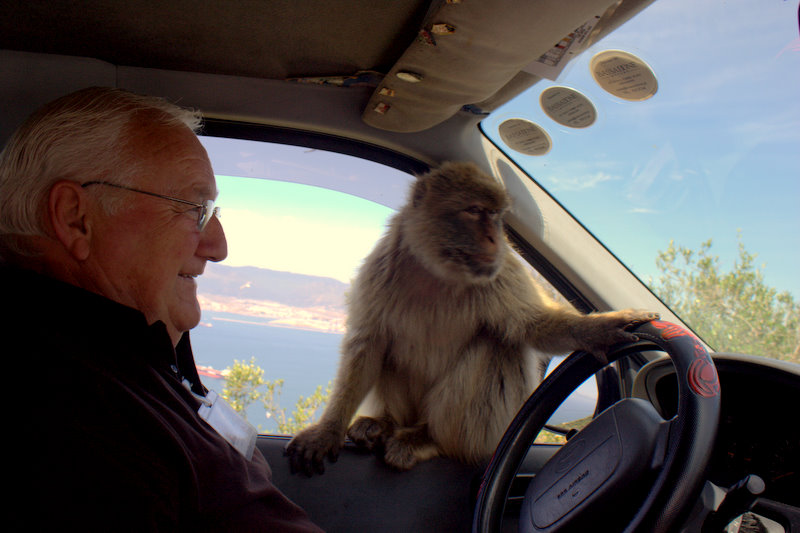
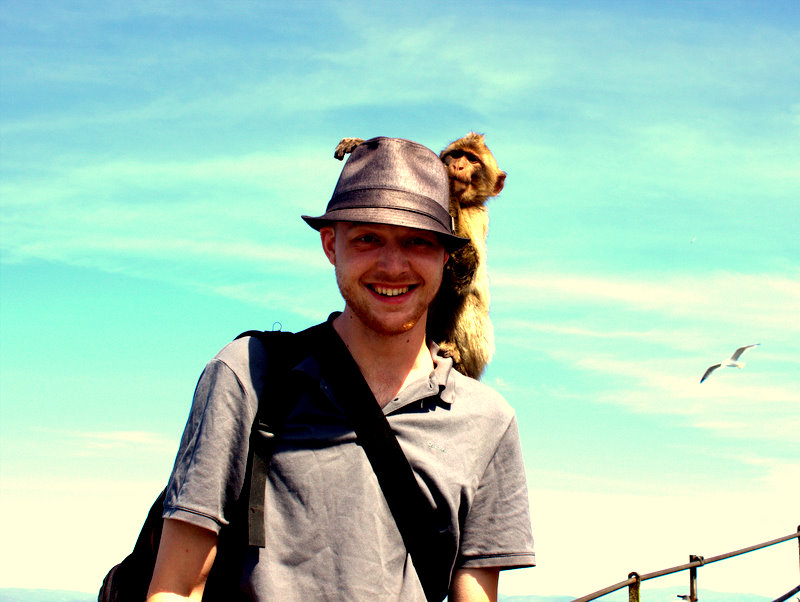
Some of the young macaques are rather witty and playful and will jump on one’s shoulders to pose cheekily for the snap of a  camera shutter. I was deeply endeared by the affection these creatures displayed towards us during our stroll along the upper rock overlooking Ceuta and the Atlas mountains.

Seagulls are also aplenty in Gibraltar, and their cries and fluttering wings decorate the soundscapes and patchwork of the warm nights.  Like their primate contemporaries, they too are amicable and frequently display overt affection towards human beings, as the last picture in this set demonstrates.


On A Southbound Insomnia Train


Bored amongst the brethren beaten, beneath the bequeathed and benign. Time stands still and the ticking tinge and twirl of transcendence ascends to cadence. Condensed, cold, calm and composed like withering white whirlwinds of scarlet snow outside my window wooded and withdrawn from the vissisitudes of the past, the cast, the senescent and the present.

On an Insomnia train bound south…

Kenya’s Numerous Facades: The Tribal Spectrum.

Kenya has long been elucidated as a land of contrasts by many. Geographically, the nation boasts everything from jagged, snow-capped peaks and alpine glaciers, desert and semi arid landscapes particularly in the North and East of the state, tropical rainforest in the West of the land and sandy, coral-fringed beaches along its coast. From expansive savannah grassland to rugged volcanic terrain sprinkled with moon-like rock outcrops that create a foreboding and awe-inducing feel, Kenya beams with a diversity that few nations can offer.

This diversity extends to Kenya’s cultural profile, a sophisticated kaleidoscope of numerous tribes and clans each with their own traditions, cultural tendencies and beliefs. There are over 70 tribal groups in the country although distinctions between many of these groups are becoming less and less important due to rural-urban migration and the erosion of traditional culture by western values. For a country with so many distinct cultural affiliations, Kenya has, up until very recently had few major cultural conflicts, standing out as shining example to the rest of the world in matters of race and cuture relations. The construction of the Uganda railway at the start of the 19th century gave rise to a large scale migration of Indian workers who were contracted to help build the railway line by the British Empire, the descendants of whom comprise a significant deal of the Indian population in the nation at present. Other people’s from commonwealth nations such as Nubian soldiers used by the British Empire in global conflicts and their families were also settled in Kenya whilst the nation was under colonial rule, adding further variation to an already diverse country.

Major tribes in Kenya
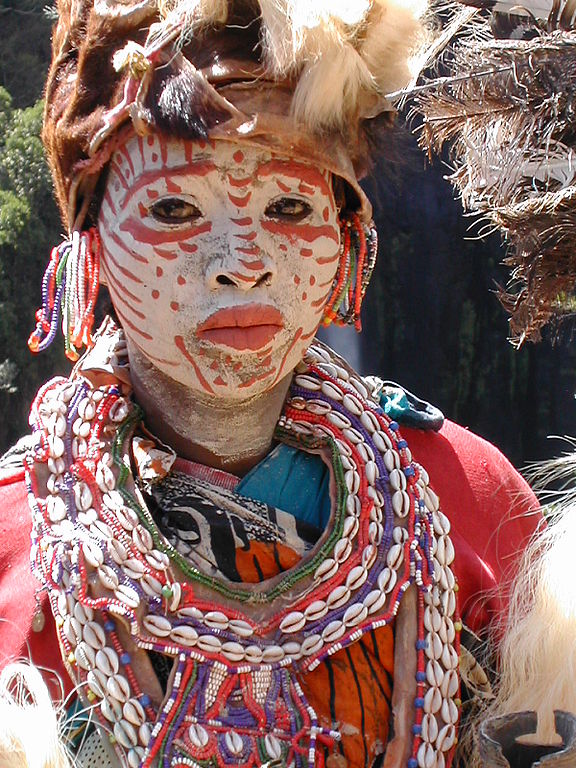
 576px-Kikuyu_woman_traditional_dress
The Kikuyu :
The Kikuyu comprise Kenya’s largest tribal group, at 20% of the overall population. This dominion extends to matters of politics, within which the kikuyu remain the most politically influential tribe (due in part to the influence and status of Kenya’s first president, Mzee Jomo Kenyatta) The Kikuyu are renowned for putting up fierce resistance to the British colonial rule, spearheading the Mau Mau rebellion on the 1950’s, a protest that has been classified as a major factor behind the collapse of British rule in Kenya and the consequent attainment of independence. Though widely distributed throughout the nation, the heartland of the Kikuyu tribe surrounds the slopes of Mt Keny


The Luo
The luo make up 12% of Kenya’s population, comprising the 3rd largest tribal group. This tribal group inhabits the area around Lake Victoria, to the west of the country and descends from Nilotic populations from Southern Sudan. Family virtues are of particular emphasis within the luo tribe, who stand out from other Kenyan tribes inasmuch as they do not practice circumcision for either sex. Barack Obama’s father was of the luo sect and Obama himself is regarded by many as a true son of the tribe.
luo
The Maasai
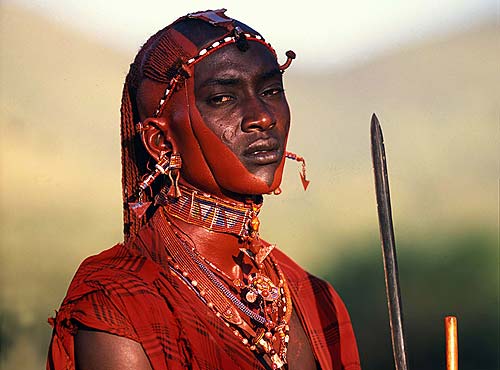
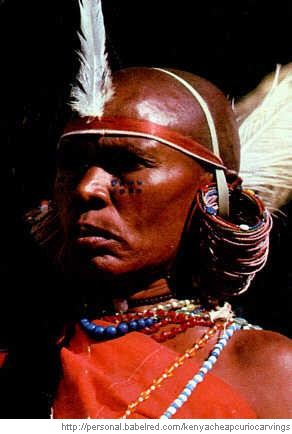
The Maasai’s are regarded as a major cultural symbol of Kenya, with a reputation as fierce, proud warriors preceding them. Like the Luo, The Maasai are descendants of the Nilotic peoples of Sudan. The Maasai tribe has maintained a great deal of its traditions and practices by staying out of the development of the nation and clinging to their beliefs and virtues, a feature that has contributed to their global renown.
maasai
The Akamba :
Famous for their wood carvings and trade acumen, the Akamba inhabit the region east of Nairobi and down towards Tsavo national park, a homeland they call Ukambani. The Akamba are of Bantu descent and migrated to their current location from around Southern Africa several centuries ago. During colonial times the British Empire valued the aptitude and fighting skills of the Akamba and were as such drafted in large numbers into the British army.
 kamba
The Luhya
The Luhya are Kenya’s second largest tribal group after the Kikuyu yet occupy a relatively small area in Western Kenya, around Kakamega. Concurrently, the population density of this tribe in this region is one of the highest in the nation. Most luhya are farmers, specialising in the cultivation of groundnuts, sesame, maize and other crops. Many members of the luhya tribe, particularly those that tend to be more traditional hold superstitious beliefs and notions centered around witchcraft although to the passing traveller, this is rarely obvious.
bukusu
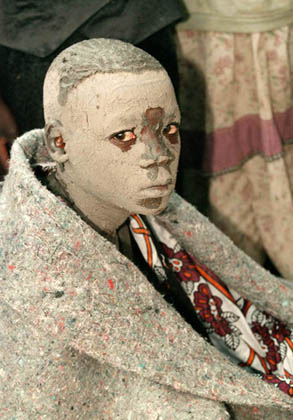
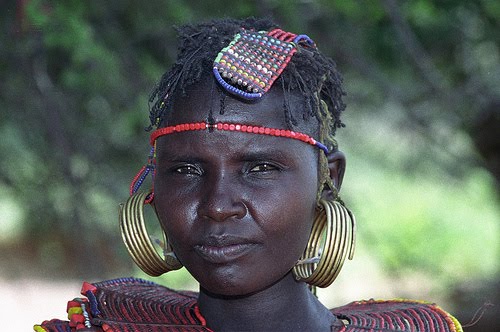
The Kalenjin
Formely known collectively as the Nandi, the Kalenjin inhabit the Western edge of the central Rift Valley region, around the tea highlands of Kericho and beyond. The Kalenjin are descendants of Nilot populations from Southern Sudan and comprise the Nandi, Kipsigis, Eleyo, Marakwet, Pokot and Tugen sub-groups. The Nandi sub-group of this tribe developed an admirable military reputation during the late 19th century for their efforts in impeding the construction of the Uganda railway for more than a decade, until their chief at the time (Koitalel) was killed. The Kalenjin are also famous for producing many of Kenya’s elite atheletes, such as Paul Tergat, Wilson Kipeketer, Tegla Loroupe and Moses Tanui, many of whom hold global records in numerous disciplines.
kalenjin
The Kisii
The Kisii are a bantu tribe that inhabit the western edge of Kenya, along and around the shores of Lake Victoria where they settled many years ago following migration from The Congo. Their geographical distribution is unique amongst the bantu tribes as they were surrounded by hostile Nilotic tribes at the time they migrated. The Kisii developed a reputation for self defence and toughness over time as they laid claim to their land, which remains one of the most densely populated areas in Kenya today.
kisii
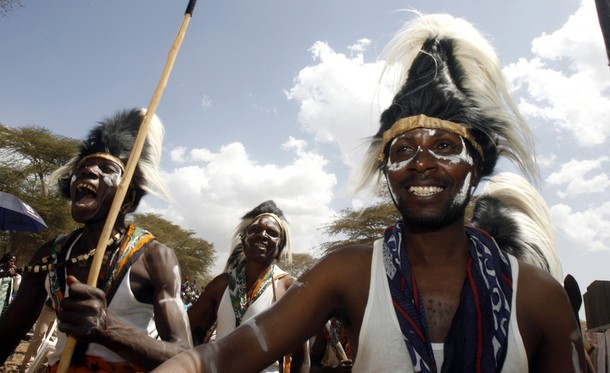
The Meru
The Meru live in the area northeast of Mt Kenya and arrived there from coastal areas around the 14th century as they fleed invasions from Somali tribes from the north. Many Merus are farmers of one sort or another and cultivate the fertile pastures on which they dwell. Sub groups within the Meru tribe include the Chukas, the Igembes, the Tharakas, the Muthambis, the Tiganias and the Imenti.
Meru tribe traditional dancers entertain guests during the Lewa Marathon at the Lewa wildlife conservancy near Isiolo